

A guide to experiencing Europe’s wine regions
 By
Adam Kovács
By
Adam Kovács
|
IN A NUTSHELL |
|
For wine travelers, few experiences rival a deliberate journey through Europe’s wine regions. This guide argues that the continent’s vineyards, ranging from the stately châteaux of Bordeaux and the sun‑scarred hills of Tuscany to the terraced slopes of the Douro Valley, are not merely backdrops for tastings but living laboratories of history, climate and craft. Appreciating terroir and grape variety transforms a tasting into insight: Pinot Noir and Chardonnay in Burgundy read differently than Tempranillo in Rioja or Assyrtiko on Santorini. Practicality matters as much as palate; routing, seasonal timing, and cellar‑door etiquette can make or break an itinerary. The guide synthesizes regional profiles, signature varietals and on‑the‑ground tips so readers can prioritize visits that match their tastes, whether they seek grand estates, family cellars, or sparkling traditions in Champagne and Cava. By foregrounding cultural context alongside tasting notes, the piece contends that thoughtful planning deepens pleasure and yields travel that’s as instructive as it is intoxicating.
Tuscany and Piedmont: Italy’s contrasting strengths
Tuscany and Piedmont make an unavoidable argument for why Italy occupies a top tier in global wine culture. Tuscany’s sunlit hills and centuries-old estates produce wines built on Sangiovese, which gives Chianti, Brunello di Montalcino, and Vino Nobile di Montepulciano their spine. Producers who pushed beyond tradition created the Super Tuscan category by blending international varieties such as Cabernet Sauvignon with Sangiovese; that evolution proves that strict appellation rules are not the only path to quality. Visitors who prioritize expressive reds and agritourism will find Tuscany’s cellars and cooking classes uniquely persuasive.
Piedmont, by contrast, makes a case for restraint and nuance. Here Nebbiolo yields Barolo and Barbaresco, wines that argue for patience, structure, and terroir expression. The region’s foggy mornings and calcareous soils shape Nebbiolo’s acidity, tannins, and aromatics in ways that reward careful tasting and cellar planning. While Tuscany sells a romantic vision of rolling estates, Piedmont demands attention to detail: vineyard slope, harvest timing, and subtle winemaking choices matter. If you value complexity and wines that develop over decades, Piedmont’s narrative is compelling.
Choosing between the two regions is less about which is “better” and more about what story you want your wine to tell. Tuscany offers immediate charm, food-friendly structure, and a robust tourism infrastructure, while Piedmont offers intellectual depth, slow rewards, and some of the world’s most collectible bottles. Practical planning tips, routes, and itineraries can be found in guides such as the practical overview at Destination Wanderer and the longer regional context at Zinger Travel.
Bordeaux and Burgundy: the logic of terroir and classification
Few regions make a stronger case that place matters than Bordeaux and Burgundy. Bordeaux argues for systems: appellations, châteaux, and a classification logic that assigns value to estates and assemblages. The area’s blends, principally Merlot, Cabernet Sauvignon, and Cabernet Francshow how varietal combinations and micro-terroirs build complexity and market prestige. Touring Médoc, Saint-Émilion, and Pomerol feels like a lesson in long-term investment; cellars archive vintages, and tasting them side-by-side makes the classification system tangible. Bordeaux’s structure reinforces a claim that wine is both cultural heritage and asset.
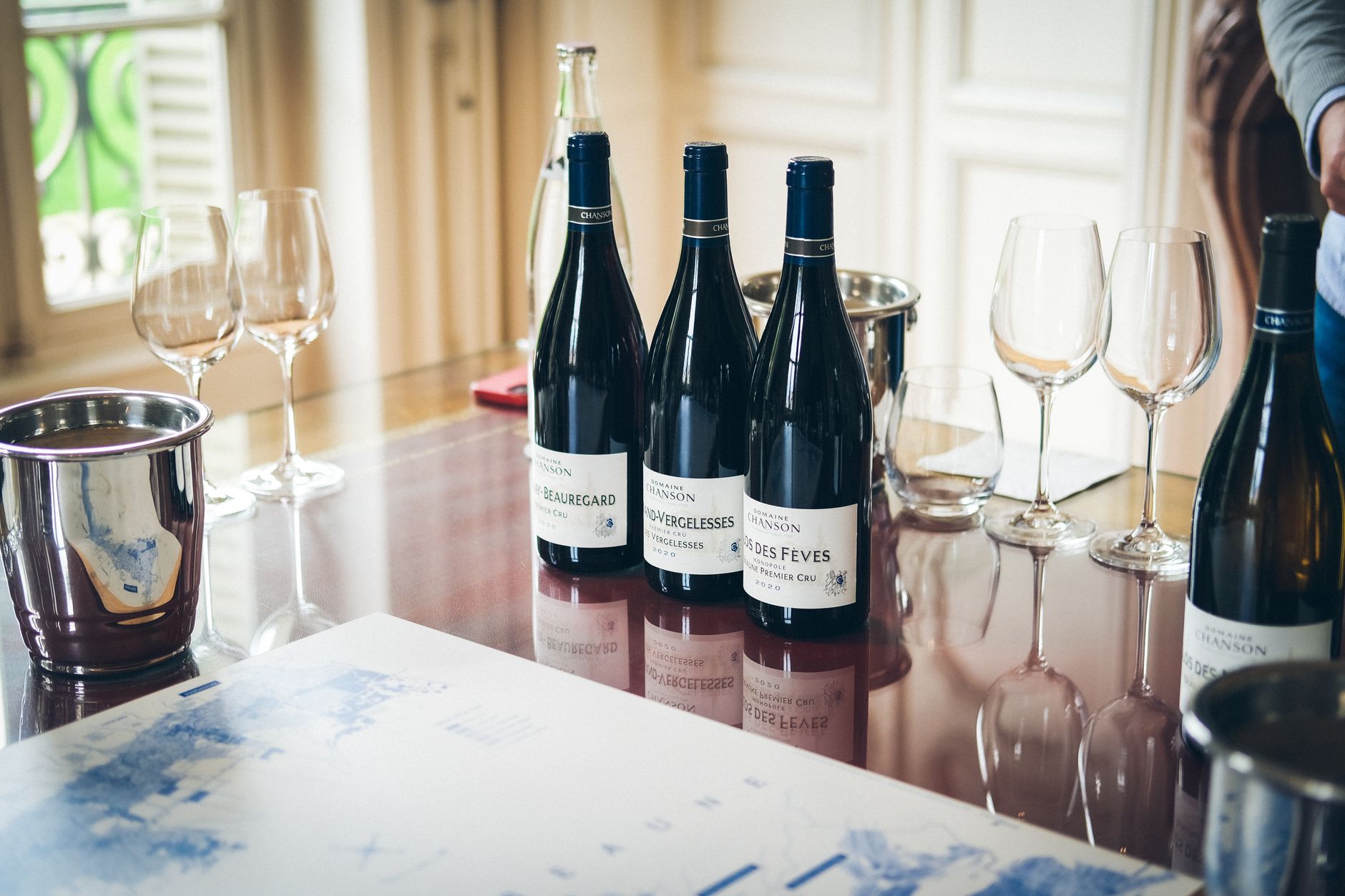
Burgundy, on the other hand, makes the opposing but complementary argument that the single vineyard can outshine estate branding. The region’s obsession with terroir produces some of the world’s most exacting Pinot Noirs and Chardonnays, with distinctions between climats and Grand Cru plots translating into dramatic quality differences. Burgundy insists that soil, aspect, and microclimate are decisive, and that labels must reflect those fine-grained realities. Its wines reward comparative tasting because the differences are subtle and precise.
These two French powerhouses offer a dual lesson for travelers and collectors: Bordeaux teaches how classification organizes value and expectation; Burgundy teaches how tiny geographic differences transform a grape’s expression. If you want a deeper roadmap through both areas, consult long-form guides such as the analysis on The Vineyard and practical trip advice at Enchanting Travels.
Iberia and the Douro: fortified traditions and modern diversity
The Iberian Peninsula argues persuasively that variety and tradition can coexist. Portugal’s Douro Valley is the birthplace of Port, yet it also produces serious dry wines that are reshaping perceptions. Its terraced vineyards and river-carved slopes create a dramatic backdrop where fortified and table wines coexist in the same appellations. Visiting the Douro makes a clear case: cultural identity and modern enology can reinforce each other.
Spain presents a similar duality. Rioja continues to justify its reputation through age-worthy Tempranillo and a system of crianza and reserva aging that signals quality to the consumer. At the same time, Catalonia’s Penedès produces Cava using traditional methods and newer stylistic experiments, proving that sparkling wine can be both historic and innovative. Further south, Alentejo and Penedès highlight how Iberian regions pair powerful reds with gastronomic tourism.
Anyone planning an Iberian wine trip must weigh historical depth against the excitement of contemporary producers. Resources such as the Douro-focused profile at Voyrix provide region-specific context, while broader itineraries can be cross-referenced with comparative lists like Zinger Travel’s guide. For travelers balancing budget constraints, the practical budget planning advice at Visegrad Post can be useful.
Central and eastern gems: Alsace, Mosel, Tokaj, and Santorini
Central and eastern Europe present a strong counterargument to the idea that the best destinations are only in France and Italy. Alsace champions aromatic whites, Gewürztraminer, Riesling, and Pinot Grisand the Alsace Wine Route stages a clear case that terroir variety and village-based identity create tourism-friendly narratives. Alsace demonstrates that aromatic intensity and food pairing logic produce highly memorable visits.
The Mosel valley in Germany offers perhaps the clearest defense of the argument that steep slopes and slate soils produce globally distinctive wines. Mosel Rieslings are renowned for their floral perfume, tensile acidity, and ability to age. The region’s villages and castle-dotted landscapes make tasting itineraries both scenic and educational.
Moving east, Tokaj argues for the economic and cultural value of botrytized sweet wines: Tokaji aszú originated centuries ago and remains unmatched in its category. Hungary’s Furmint and Hárslevelű varieties make a persuasive case for seeking out less-discussed regions. Meanwhile, Santorini in Greece offers a dramatic lesson in adaptation: the volcanic soils and Assyrtiko grape produce wines with remarkable salinity and minerality. For comparative reading and route planning you can consult detailed guides like Enchanting Travels and synthesized overviews such as Destination Wanderer.
Wine tourism practices: how to plan, taste, and travel responsibly
Effective wine travel is an exercise in prioritization: which styles matter to you, how much time you have, and whether you prefer structured tours or independent exploration. Strong planning reduces friction. Start by identifying core regions, then pair logistical choices, train vs. car, high-season vs. shoulder season, with tasting priorities. Book tastings in advance for smaller estates; use local guides to access private cellars where possible.
Responsible wine tourism also entails understanding local economies and environmental risks. Regions are influenced by climate, infrastructure, and even geopolitics; articles on broader regional dynamics such as shipping, climate challenges, or infrastructure can provide context for travel safety and timing. For practical budgeting, see the travel budgeting guide at Visegrad Post. For broader cultural context and unexpected local stories, regional reporting like the pieces on archaeology and polar logistics at Visegrad Post archaeology and polar seas report can be surprisingly informative about regional resilience.
Below is a practical table to guide destination choices; it condenses signature grapes, highlights, and timing. Use it as a decision tool rather than gospel, the best trips combine research with curiosity.
| Region | Signature grape(s) | Experience highlight | Best time to visit |
|---|---|---|---|
| Bordeaux | Merlot, Cabernet Sauvignon | Château tours and classified growth tastings | Spring and autumn |
| Burgundy | Pinot Noir, Chardonnay | Comparative terroir tastings across climats | September (harvest) or May |
| Douro | Touriga Nacional, Tinta Roriz | Terraced vineyards and Port cellars | Late spring to early autumn |
| Santorini | Assyrtiko | Volcanic-soil wines and island gastronomy | Late spring to early autumn |
| Mosel | Riesling | Steep-slope Rieslings and village tastings | Summer to early autumn |
For curated long-form reading and region-by-region itineraries, explore in-depth guides like the extensive compendium at Voyrix, the traveler-focused overview at Zinger Travel, and alternative perspectives at The Vineyard. For ancillary reading that informs travel context, these varied news pieces from Visegrad Post, including articles on historic finds and contemporary logistical challenges, can help you anticipate the unexpected during your trip (decoy tech, icebreaker saga, food security analysis).
Plan deliberately, taste actively, and prioritize regions that align with your palate and travel preferences. For additional narrative-driven recommendations, read the travel essays and region guides at Enchanting Travels and the comparative resource at Destination Wanderer.
How to Choose Your Next European Wine Destination
Selecting where to go requires prioritizing what you value most: the interplay of terroir and grape, the type of immersive wine tourism experience, or the cultural backdrop. If you seek structured elegance and historic estates, prioritize regions like Bordeaux and Burgundy where appellations and cellar traditions shape every bottle. If sun-soaked, food-forward visits appeal, argue for Tuscany or Piedmont, where Sangiovese and Nebbiolo anchor memorable pairings. For uniquely mineral whites, Santorini’s Assyrtiko and Alsace’s aromatic varieties present persuasive reasons to travel off the beaten path. The point is simple: let the grape and its terroir guide your itinerary rather than treating regions as interchangeable destinations.
Practical planning strengthens any claim that the trip will be worthwhile. Book seasonal tastings, reserve cellar tours in advance, and weigh the merits of guided tours versus self-drive itineraries: guides can open doors to private estates and technical insights, while independent travel gives flexibility to chase hidden gems and spontaneous pairings. Consider timing, harvest and festival seasons offer spectacle and hands-on learning but require early reservations, and factor in logistics like regional transport, accommodation in vineyard settings, and pairing-focused meals with local producers. These actions convert enthusiasm into concrete, high-value experiences.
Finally, emphasize sustainable and authentic choices to maximize cultural return. Seek wineries practicing organic or low-intervention viticulture, engage with family-owned producers, and prioritize tastings that include food pairings and storytelling about local methods. By making deliberate choices, targeting specific varietals, reserving key tastings, and favoring producers who preserve regional identity, you ensure the trip is more than a checklist: it becomes a persuasive case for why European wine regions remain indispensable for anyone serious about wine.
FAQ: How to Experience Europe’s Top Wine Regions
Q: What makes Europe the best destination for wine travel?
A: Europe combines centuries of winemaking tradition with a dizzying variety of terroirs and grape varieties, from Bordeaux blends to Assyrtiko on Santorini. If you value history, regional identity, and wines that reflect place, European wine regions offer an unmatched depth of experience that justifies prioritizing them over newer wine destinations.
Q: Which regions should I choose if I prefer classic red wines?
A: Prioritize Bordeaux for structured Merlot and Cabernet Sauvignon blends, Piedmont for Nebbiolo-driven icons like Barolo, and the Rhône Valley for powerful Syrah. These regions are indispensable if your goal is to taste age-worthy, complex reds that showcase traditional winemaking philosophies.
Q: Where are the best places for crisp whites and mineral-driven wines?
A: Head to Burgundy and Chablis for refined Chardonnay, the Mosel and Alsace for aromatic Riesling and Gewürztraminer, and Santorini for the volcanic-mineral expression of Assyrtiko. These areas consistently produce whites that are defined by acidity, minerality, and a strong sense of place.
Q: Is it worth visiting for fortified and sweet wines?
A: Absolutely. The Douro Valley is essential for Port styles, while Tokaj in Hungary is the historic home of botrytized sweet wines like Tokaji aszú. If you are interested in niche traditions and extraordinary dessert wines, these regions are compelling and historically significant.
Q: When is the best time to plan a wine-focused trip?
A: Late summer through autumn, especially harvest season, is ideal because you can see vineyards in action and join cellar-driven events. However, spring offers mild weather and blooming landscapes. Choose timing based on whether you prefer busy, immersive harvest experiences or quieter tasting-focused visits.
Q: How should I select wineries and tours to visit?
A: Balance famous estates with smaller producers: the former demonstrate regional benchmarks while family-run wineries reveal local techniques and lesser-known grapes. Book guided tastings that emphasize terroir and process; insist on visits that let you taste across vintages. This approach yields a fuller understanding of each region’s character.
Q: What practical advice should I follow during tastings?
A: Taste with intention: smell first, sip slowly, and compare side-by-side when possible. Spitting is acceptable if you plan to drive or are sampling many wines. Ask questions about grape varieties, oak treatment, and aging, these details reveal why two wines from the same village can be so different.
Q: How can I match a wine region to my travel style?
A: If you want scenic drives and historic villages, choose Tuscany or the Loire Valley. For compact, intense tasting itineraries with dramatic slopes, consider the Douro or Mosel. For island charm plus distinctive whites, pick Santorini. Match your preferred pace and scenery to the region’s layout and hospitality style.
Q: Are there affordable wine regions that still deliver quality?
A: Yes. Regions like Alentejo in Portugal, Istria in Croatia, and parts of Spain offer excellent value, high-quality wines, friendly producers, and lower visitor costs compared with elite areas like Bordeaux or Champagne. Choosing these regions lets you taste widely without overspending.
Q: What makes Champagne and Cava unique when touring sparkling wine regions?
A: Champagne is defined by its traditional method and a terroir-driven style that shapes prestige cuvées; touring major houses reveals meticulous production and aging practices. Cava in Penedès offers a different profile and excellent value, with local varieties like Xarel·lo and Parellada. Both regions teach how method and grape choice create distinct sparkling expressions.
Q: Which lesser-known regions are worth seeking out?
A: Seek out Lavaux for terrace vineyards and Alpine views, Savoie for alpine whites and outdoor adventure, and Istria for small-batch Malvazija. These hidden gems reward travelers who prioritize authenticity and regional character over headline names.
Q: How do I combine wine tasting with local cuisine effectively?
A: Pair region with product: enjoy Chianti with Tuscan rustic fare, Rioja with grilled meats and aged cheeses, and Alsace whites with spiced sausages and tartes. Argumentatively, you should let local pairings guide tastings, food context reveals nuances that a glass alone cannot convey.
Continue reading