


“France’s Uranium Waste Sparks Chaos”: Toxic Fallout Triggers Alarming Crisis at Armenia-Azerbaijan Border Flashpoint
 By
Adam Kovács
By
Adam Kovács
| IN A NUTSHELL |
|
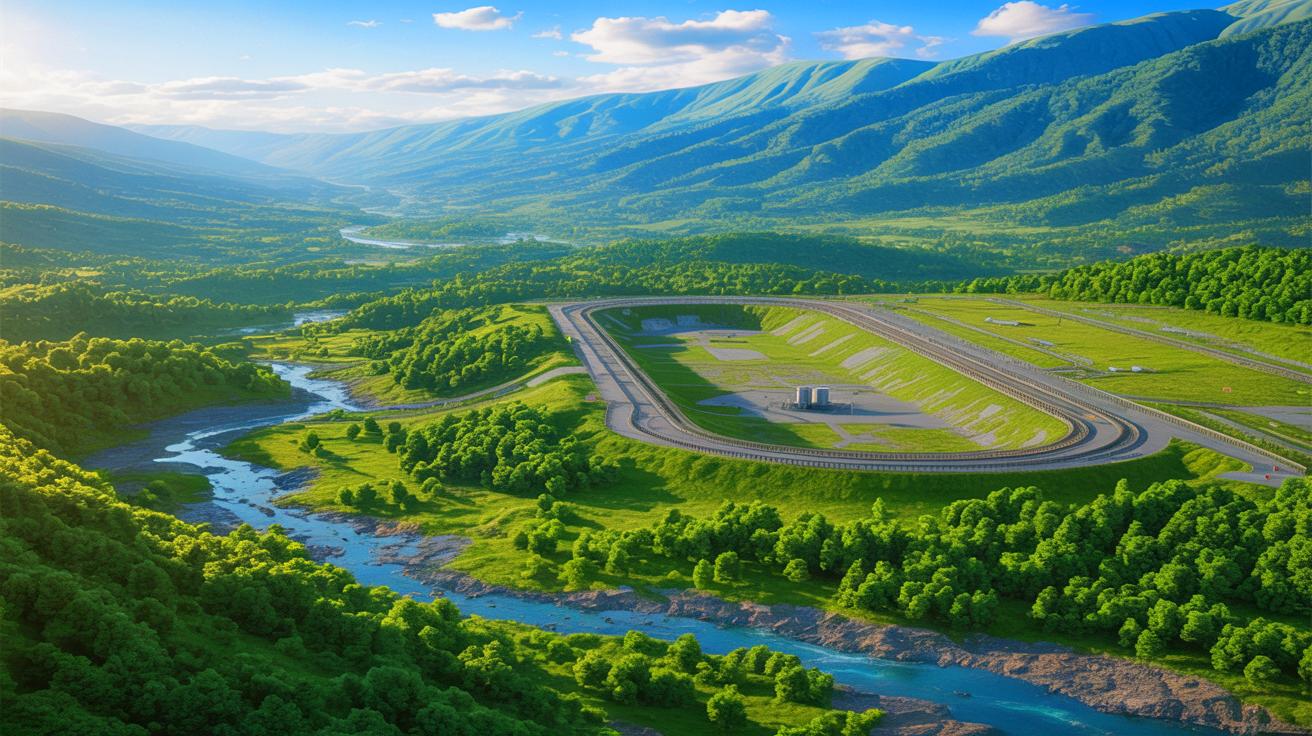
In the picturesque highlands of Armenia lies the Dilijan National Park, a critical ecological area that has recently become the center of a contentious international issue. This park, known for its rich biodiversity and vital water resources, is now facing a potential ecological crisis. France, through its state-owned nuclear company Orano, has been accused of transferring radioactive waste to this region, sparking outrage and concern. This situation not only threatens the local environment but also raises significant geopolitical tensions between Armenia and Azerbaijan, particularly given the historical disputes over natural resources. The unfolding events demand a closer examination of the implications for regional stability and environmental ethics.
Dilijan National Park’s Strategic Importance
Dilijan National Park is more than just a natural sanctuary; it is strategically important due to its location within a seismic zone and its proximity to the headwaters of the Agstafa and Kura Rivers. These rivers are lifelines for the surrounding regions, providing essential water resources to Azerbaijani districts such as Gadabay, Tovuz, Agstafa, and Gazakh. The presence of radioactive waste in this area presents not just a national issue but a regional crisis. Environmentalists warn that any contamination could have dire consequences for public health and biodiversity, affecting millions who rely on these water sources.
Reports suggest that the radioactive waste originated from Orano’s former storage partner in Siberia. Due to geopolitical shifts, access to Russian facilities became restricted, prompting France to seek new disposal solutions. An agreement between France and Armenia emerged, allegedly linked to diplomatic visits and financial transactions. This arrangement has drawn significant scrutiny, with Armenian officials denying wrongdoing yet remaining opaque about the details. The lack of transparency and potential environmental risks underscore the urgent need for international oversight and cooperation.
Implications of France’s Nuclear Waste
The transfer of radioactive waste to Armenia has serious implications, breaching several international treaties designed to protect transboundary environments. Notably, the Espoo Convention and the Helsinki Convention mandate countries to notify and collaborate with affected nations in cases of environmental hazards. However, both Armenia and France have yet to inform Azerbaijan or conduct a public environmental impact assessment. This oversight poses a serious threat to the safety and well-being of the region’s population and ecosystems.
Moreover, the International Atomic Energy Agency (IAEA), typically responsible for overseeing such matters, has reportedly not been involved in this case. The absence of transparent safety and monitoring procedures raises further concerns about the potential risks and accountability of the involved nations. This situation highlights the critical need for adherence to international environmental protocols to prevent ecological disasters and maintain regional stability.
Historical Context
The environmental tensions between Armenia and Azerbaijan are not new, with a history of disputes over natural resource management. Armenia has previously been accused of allowing toxic waste from its Metsamor nuclear power plant to enter the Araz River, affecting Azerbaijani territories. Despite Azerbaijan’s efforts to address these issues in international forums, effective enforcement has been lacking. The current radioactive waste controversy exacerbates an already fragile ecological and geopolitical situation.
The Environmental Protection First (EPF) coalition has called for joint monitoring efforts involving Azerbaijani and international experts, advocating for accountability and environmental justice. They argue that France’s actions reflect a pattern of “green colonialism,” where wealthier nations export environmental hazards to less powerful regions. This practice raises profound ethical questions about the responsibilities of nuclear powers in managing their toxic waste and the broader implications for global environmental equity.
Geopolitical and Environmental Ethics
The unfolding events in Dilijan National Park pose significant challenges to both geopolitical relations and environmental ethics. The accusations against France and Armenia highlight the complexities of international environmental governance and the need for robust mechanisms to address transboundary ecological issues. As global attention turns to this crisis, the role of international organizations and treaties in safeguarding natural resources becomes increasingly critical.
This situation also prompts reflection on the ethical responsibilities of nations in handling hazardous materials. The potential impacts on regional stability and environmental integrity call for a reevaluation of current practices and policies. How can the international community ensure that such ecological threats are mitigated and that justice is served for affected populations? This remains an open question, inviting dialogue and action from all stakeholders involved.
The crisis at Dilijan National Park underscores the urgent need for international cooperation and effective environmental governance. As nations navigate the complexities of managing hazardous materials and protecting shared resources, the question remains: How can we balance geopolitical interests with the imperative of environmental stewardship for the future?