

“A Suitcase-Sized Laser That Cuts Metal A Mile Away”: China Unveils 2kW System That Works In Desert Heat And Arctic Cold
 By
Adam Kovács
By
Adam Kovács
| IN A NUTSHELL |
|
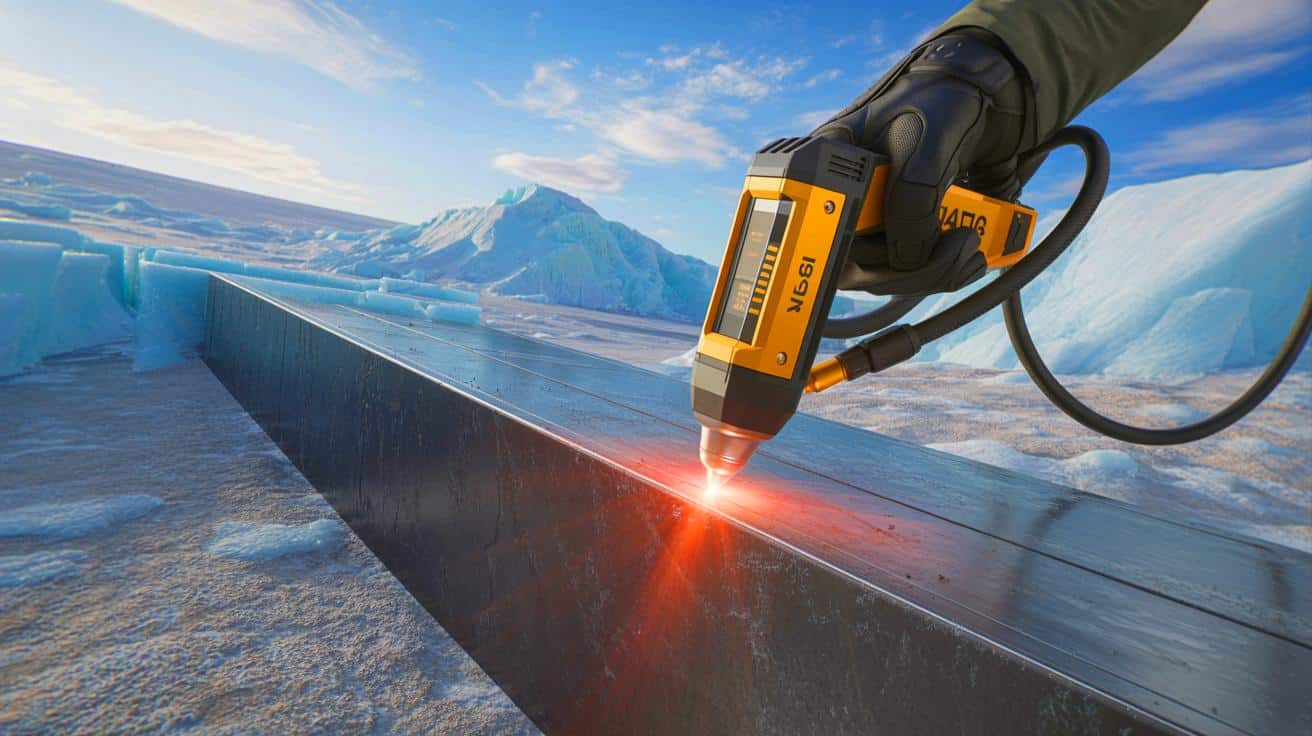
In a groundbreaking advancement, a Chinese research team has developed a laser capable of cutting metal from over a mile away, fitting into a suitcase, and operating seamlessly in temperatures ranging from -58°F to 122°F. This innovation marks a departure from the traditional, bulky laser systems that require extensive cooling mechanisms. The portable 2-kilowatt fiber laser, devised by a team led by Chen Jinbao at the National University of Defense Technology in China, could revolutionize both military strategies and industrial applications in extreme environments. This development aims to eliminate the dependency on heavy infrastructure, positioning China at the forefront of a strategically significant field.
Overcoming Climate Challenges
High-power lasers are notorious for generating substantial heat, necessitating large cooling systems, often as big as a shipping container. This size and weight make them impractical for transport or use in extreme environments, such as polar regions, deserts, or isolated industrial sites. However, the laser developed by Chen Jinbao’s team presents a paradigm shift. It operates autonomously without requiring air conditioning or thermal protection, functioning optimally between -58°F and 122°F. This capability means that no terrestrial environment is a barrier to deploying this technology. The device is compact, mobile, and resilient, capable of being activated within minutes, contrasting with other systems that require hours of preparation.
Innovative Technological Foundations
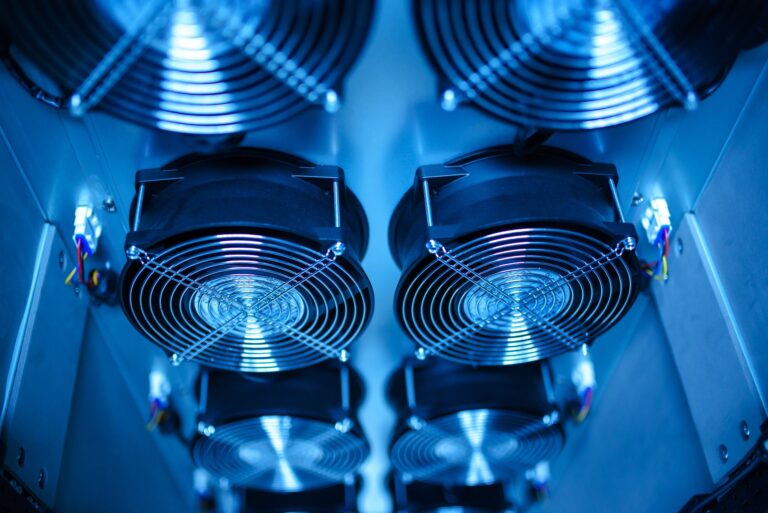
The success of this laser is attributed to three major innovations that bypass the thermal constraints usually limiting high-power lasers. The first innovation lies in the pumping system. The research team designed an optical architecture with 27 laser diodes, split between nine for direct injection and 18 for reverse injection. This clever distribution ensures even light dispersion within the fiber, significantly reducing hot spots that can cause instability or performance loss in conventional lasers.
The second innovation involves a reimagined thermal management approach. Unlike most lasers that need controlled temperatures for all components, this laser isolates temperature-sensitive parts by placing them outside the main optical cavity. This physical separation prevents the disruptions caused by freezing or overheating without active cooling or heating systems, resulting in exceptional stability even in extreme conditions.
Lastly, the core of the laser is made from ytterbium-doped optical fiber, a rare-earth element. This material is highly valued in power optics for its efficiency in converting energy into coherent light and its resilience against temperature fluctuations. These properties ensure the system remains efficient regardless of environmental conditions.
Strategic Military and Civil Applications
Military applications are naturally a primary focus. This type of laser could equip mobile units deployed in remote or hostile areas, defense vehicles for anti-drone operations without the need for secondary power supplies, and autonomous drones or robots armed with lasers capable of firing without thermal maintenance. Compared to existing systems like France's HELMA-P or India's IDDLS, which require large trucks and extensive logistics, the Chinese model represents a leap in tactical mobility.
The civilian sector also stands to benefit. This laser could transform precision welding in isolated industrial settings, such as offshore platforms or oil installations. It could also enhance the security of sensitive infrastructures, such as airports, power plants, and refineries, against drone attacks. Furthermore, it offers maintenance solutions for critical sites where extreme temperatures hinder the use of traditional tools.
Geopolitical Implications
Beyond technology, this innovation is part of a broader strategy: China's dominance over rare earth elements, notably ytterbium. The country controls over 80% of the global production of these materials, crucial for lasers, batteries, electric motors, and semiconductors. By mastering both resources and advanced applications, Beijing positions itself as an indispensable player in the global technological race. This vertical integration, from mining to innovation, provides China with a strategic advantage that is hard to challenge in the short term.
This technological breakthrough has far-reaching implications, not just in terms of national defense and industrial applications, but also in the geopolitical landscape. How will other countries respond to China's growing influence in critical technologies and materials?
Continue reading