

“Europe’s Sky Is Divided”: F-35 Wins Over Allies As France’s Rafale Battles To Stay Independent In The New Jet War (stakes rising)
 By
Adam Kovács
By
Adam Kovács
| IN A NUTSHELL |
|
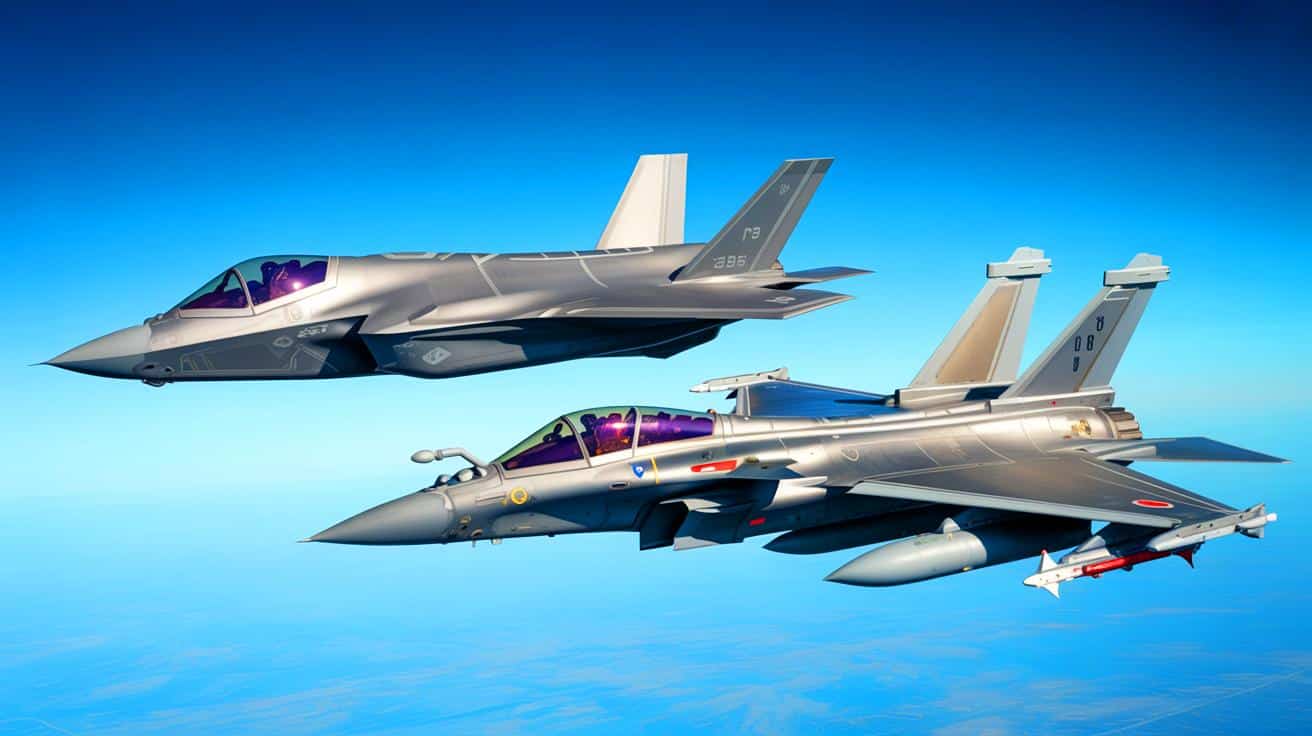
The Paris Air Show at Le Bourget, an internationally renowned event in the aerospace industry, has once again opened its doors, showcasing the latest technological innovations and strategic developments. At the forefront of discussions is the competition between the American F-35 fighter jet and the French Rafale. These advanced aircraft have already been adopted by several European countries. While the Rafale is a flagship of French aerospace, the F-35 is becoming the preferred choice for many European allies. This article delves into why countries are making these choices and what implications they hold for the future of military aviation in Europe.
The Historical Context of European Fighter Jet Choices
European countries have long-standing histories with American military aircraft, a relationship that dates back several decades. Since 1975, a significant number of European nations, including Belgium, the Netherlands, Norway, Denmark, and Finland, have been part of an informal “F-16 club.” This term describes the collective group of countries that adopted the F-16 fighter jet, fostering a technical and strategic alliance with the United States.
Transitioning to the F-35 is seen as a natural progression for these countries. The continuity in using American aircraft ensures compatibility with existing infrastructure and training programs. Moreover, technical similarities between the F-16 and the F-35 facilitate a smoother transition, minimizing the logistical challenges of adopting a new fighter jet platform. This longstanding relationship with American technology and expertise is a pivotal factor in the decision-making process for these nations.
Strategic Decisions and NATO's Nuclear Umbrella
Germany's decision to replace its aging Tornado jets with the F-35 is a testament to strategic necessity. The F-35 is uniquely capable of carrying the American B-61 nuclear bombs, which are integral to NATO's nuclear deterrence strategy. For Germany, contributing to NATO's "nuclear umbrella" is a critical component of its defense policy. This capability makes the F-35 an indispensable asset for maintaining strategic stability in Europe.
The importance of nuclear capability in the F-35 cannot be overstated. It represents a strategic commitment to NATO's collective defense framework. For Germany, aligning itself with NATO's defense strategies by adopting the F-35 ensures its continued role as a key player in European security. This decision underscores the intersection of military capability and diplomatic alliances, highlighting the multifaceted considerations driving military procurement decisions.
Industrial and Economic Factors in the UK and Italy
The United Kingdom and Italy have embraced the F-35 not only as a military asset but also as an industrial opportunity. Both countries are not just customers of the F-35; they are crucial suppliers of its components. In the UK, critical parts such as the rear fuselage, electronic systems, ejection seats, and targeting lasers are manufactured domestically. This involvement provides a significant boost to the local aerospace industry.
For Italy, the F-35 serves as an "industrial lever," with the Cameri plant employing 1,200 people and engaging over 30 local companies. This facility is central to Italy's aerospace strategy, making the F-35 more than just a fighter jet but a symbol of industrial capability and economic growth. The economic benefits of participating in the F-35 program are substantial, offering jobs and technological advancement, which are critical considerations for nations involved in the program.
The Enduring Appeal of the Rafale
Despite the dominance of the F-35, the Rafale continues to attract interest from certain European countries. Its appeal lies in its versatility, reliability, competitive cost, and independence from American technology. The Rafale is known for its adaptability to various combat scenarios, making it a versatile choice for nations seeking a multipurpose fighter jet.
The Rafale's independence from American technology is a significant advantage for countries desiring autonomy in their defense capabilities. This independence allows nations to tailor the aircraft to their specific strategic needs without relying on external technological support. The competitive cost of the Rafale also positions it as an attractive option for countries balancing budgetary constraints with defense requirements. These factors ensure that the Rafale remains a viable and appealing choice in the competitive landscape of military aviation.
As the aerospace industry continues to evolve, the choices between aircraft like the F-35 and the Rafale highlight the complex interplay of strategic, economic, and industrial factors. These decisions are not just about selecting the most advanced technology but also about aligning with broader defense and economic strategies. How will these choices shape the future of military alliances and industrial partnerships in Europe? The ongoing developments will undoubtedly have far-reaching implications for the continent's security landscape.
Continue reading