


“This Is the UK’s Boldest Nuclear Move Yet”: This Massive Project Will Cut Reactor Towers in Half (and Rewrite Cleanup Rules Forever)
 By
Adam Kovács
By
Adam Kovács
| IN A NUTSHELL |
|
The transformation of the Trawsfynydd nuclear power station marks a significant milestone in the decommissioning of nuclear facilities in the UK. Once home to a 392 MWe Magnox reactor, this site is now entering a critical phase of its long-term cleanup strategy. The awarded $94 million contract to Costain, an infrastructure company, aims to reduce the height of the reactor buildings by half. This effort is part of the larger decommissioning program led by Nuclear Restoration Services (NRS), aiming to set a precedent for the decommissioning of other Magnox sites across the country.
An Engineering Feat
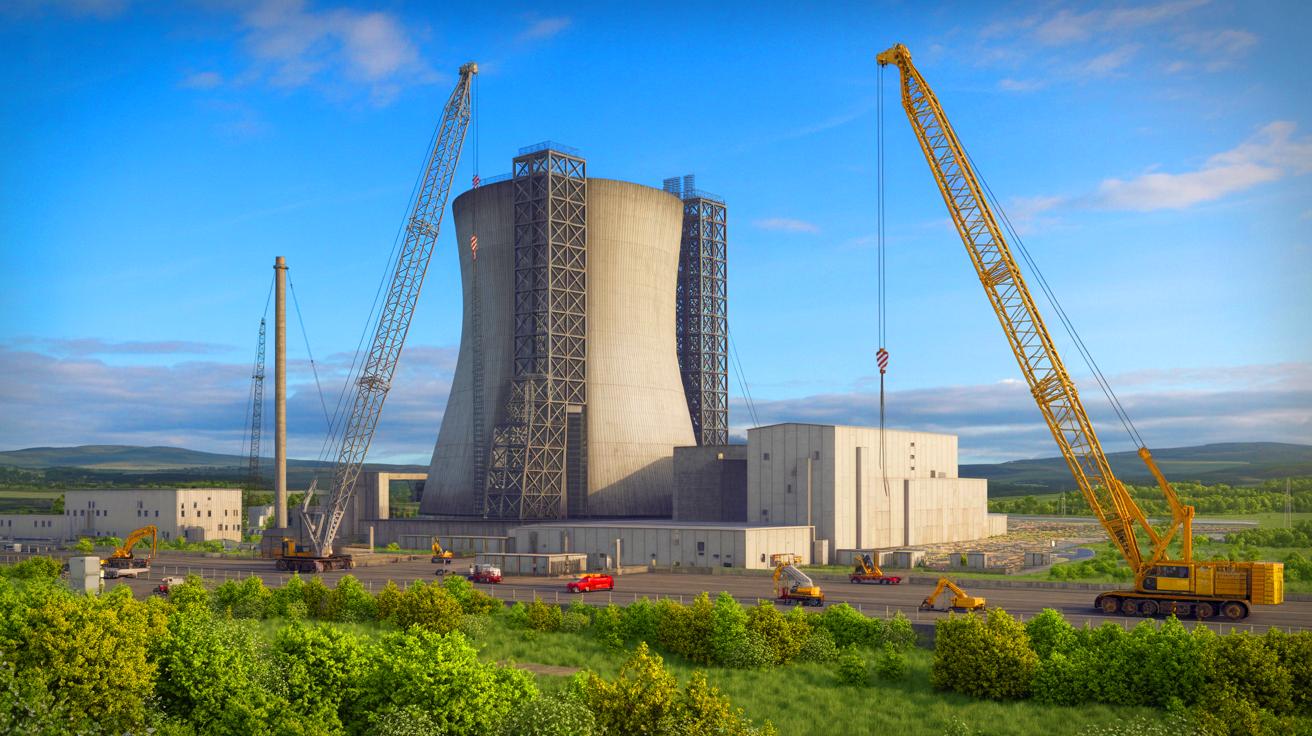
The decommissioning of Trawsfynydd is a complex engineering project that will span approximately four years. The primary goal is to lower the height of the site’s two main reactor buildings from about 177 feet to 82 feet. This project requires the meticulous removal and processing of around 530,000 cubic feet of concrete and brickwork. A significant challenge in this endeavor is the extraction of 10 overhead cranes housed within the structures. Notably, two of these cranes are especially massive, each weighing more than a Boeing 747, necessitating specialized planning and execution methods. Costain’s involvement is particularly noteworthy, given their experience in delivering crucial infrastructure projects within the highly regulated nuclear sector.
The project is not just about dismantling; it’s about ensuring stability and safety. Once the physical reduction is complete, Costain will carry out additional civil and remedial works to maintain the integrity of the remaining structures. This phase is crucial for preparing the site for future cleanup efforts, ensuring that the buildings remain safe and stable throughout the decommissioning process.
Previous Expertise
Costain’s selection for this ambitious project is backed by their extensive experience in nuclear infrastructure. Previously, they have completed enabling works at Trawsfynydd, which included installing new capping roofs to weatherproof the buildings and rerouting electrical supplies. These preparatory measures were essential for maintaining the site’s integrity during the extended care and maintenance phase.
Beyond Trawsfynydd, Costain is actively engaged in other nuclear sector activities. Their projects include a six-year decommissioning program with NRS across multiple sites and asset care work for Sellafield. Additionally, Costain is involved in new nuclear builds, providing resources for the Sizewell C project and design work for a Urenco fuel facility. This breadth of experience underscores their capability to handle the complexities associated with nuclear decommissioning and construction.
The Importance of Trawsfynydd’s Role
Trawsfynydd is not just another decommissioning project; it serves as the ‘lead and learn’ facility for the UK’s broader Magnox reactor decommissioning program. The lessons learned and data gathered from this site are expected to inform and enhance the decommissioning processes for 10 other Magnox sites across the UK. This approach aligns with the Nuclear Decommissioning Authority’s (NDA) national clean-up strategy, aiming to create efficiencies and improve safety protocols throughout the decommissioning process.
“This is a pivotal moment for Trawsfynydd. After years of careful planning and preparation, we’re now moving into the delivery phase of one of the most complex and ambitious decommissioning projects in the UK,” said Rob Fletcher, Chief Executive Officer at NRS.
https://visegradpost.com/en/2025/10/08/they-vanish-beneath-the-waves-these-silent-chinese-drones-are-rewriting-naval-warfare-and-no-one-knows-how-to-stop-them/
The project’s outcomes will have significant implications for future decommissioning efforts, potentially setting new industry standards and methodologies. The successful reduction and stabilization of the Trawsfynydd site could serve as a blueprint for similar projects globally, showcasing the UK’s leadership in nuclear decommissioning strategies.
Future Implications and Challenges
While the current focus is on the physical reduction and stabilization of the Trawsfynydd site, the broader implications of this project are far-reaching. Successful completion could pave the way for more efficient and safe decommissioning projects worldwide. However, the project is not without its challenges. The technical complexities, safety considerations, and regulatory requirements demand meticulous planning and execution.
The role of Trawsfynydd as a ‘lead and learn’ facility emphasizes the importance of knowledge sharing and collaboration within the nuclear industry. As the project progresses, continuous monitoring and adaptation of strategies will be essential to address unforeseen challenges and ensure compliance with safety standards. The lessons learned here could influence policy-making and regulatory frameworks, shaping the future of nuclear decommissioning.
As the decommissioning of Trawsfynydd progresses, the industry watches closely. The project’s success could redefine approaches to nuclear site cleanup, but it also raises critical questions about the future of nuclear decommissioning. How will the lessons learned at Trawsfynydd influence global strategies, and what innovations will emerge to tackle the challenges of nuclear waste management?
Continue reading