


“They Found Radiation in Shrimp”: This Shocking Discovery Forces Indonesia to Halt Scrap Metal Imports (and the Fallout Is Just Beginning)
 By
Adam Kovács
By
Adam Kovács
| IN A NUTSHELL |
|
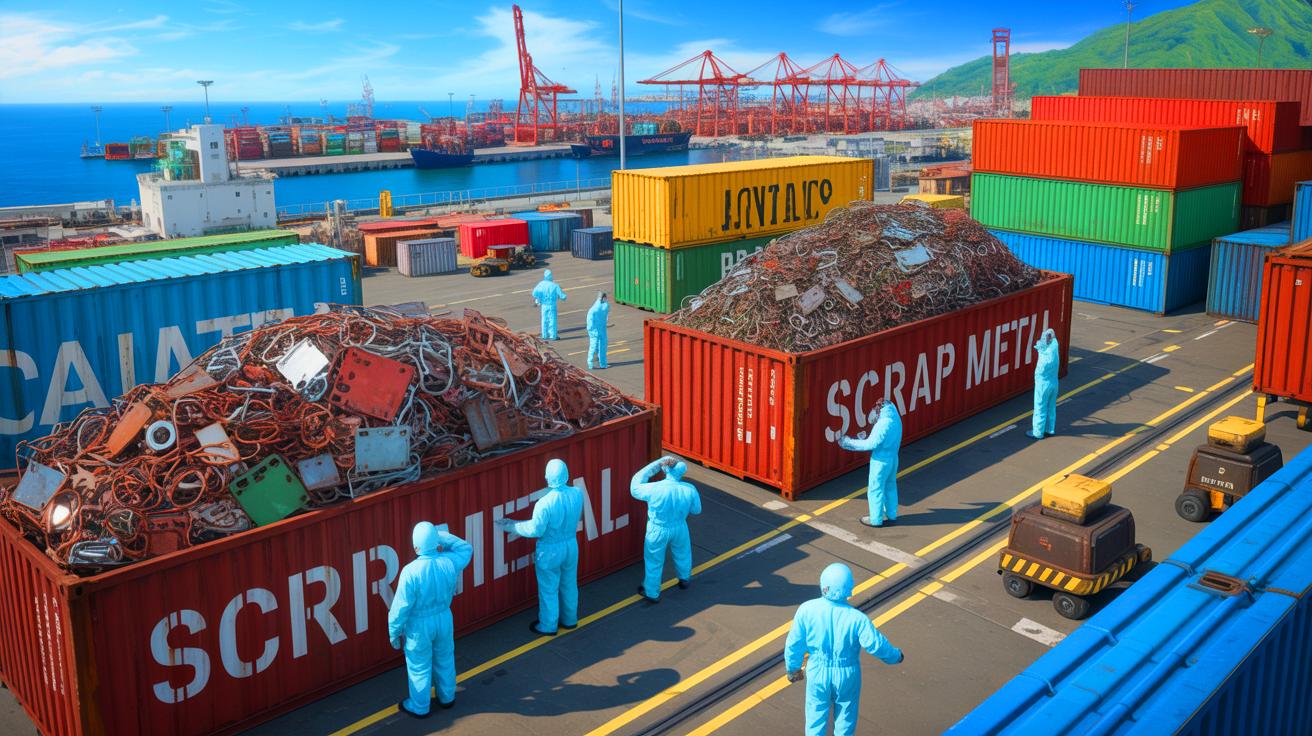
Indonesia’s decision to halt scrap metal imports comes in the wake of a startling discovery of radioactive contamination in shrimp shipments to the United States. The contamination was traced back to a metal-processing hub in West Java, which supplies materials for construction and manufacturing. This decisive action reflects Indonesia’s commitment to ensuring public safety and maintaining international trade standards. The move has sparked discussions on the broader implications for the local steel-recycling industry and global supply chains. As authorities work to address the contamination issue, questions arise about how this incident might reshape Indonesia’s industrial practices and its reputation in the international market.
Discovery of Radioactive Contamination
The detection of radioactive contamination in shrimp shipments to the United States raised immediate concerns both domestically and internationally. The U.S. Food and Drug Administration (FDA) reported finding trace amounts of Caesium-137 in frozen shrimp imports from Indonesia. This prompted recalls from major retailers, including Walmart, to safeguard consumer health. The source of the contamination was traced to a metal-processing hub in West Java, which supplies construction materials.
This discovery has triggered a comprehensive investigation into the extent of contamination at the industrial site. Authorities in Indonesia have identified radiation at 22 production facilities within the affected industrial zone. One facility has been successfully decontaminated, while efforts continue to clean up the remaining sites. The situation underscores the need for stringent safety measures in industrial operations, particularly those involving potentially hazardous materials.
Immediate Government Response
In response to the findings, the Indonesian government swiftly suspended imports of scrap metal. This suspension is intended to ensure that local metal processors adhere to radiation safety standards. Environment Minister Hanif Faisol Nurofiq emphasized the need for companies to install radiation monitoring and emission control systems. This measure aims to prevent similar incidents in the future and protect public health.
The government task force overseeing the investigation announced the suspension’s immediate effect. Bara Krishna Hasibuan, an official with the task force, communicated the decision via text message. This proactive approach reflects Indonesia’s commitment to addressing the contamination issue head-on and restoring confidence in its industrial sector.
Impact on Local Industries
The halt in scrap metal imports poses significant challenges for Indonesia’s local steel-recycling industry. Companies are now required to implement enhanced safety measures to comply with radiation safety standards. The need for radiation monitoring and emission control systems presents both a logistical and financial burden for many processors. However, these measures are crucial to preventing further contamination and ensuring the safety of both workers and the surrounding environment.
PT Bahari Makmur Sejati, one of Indonesia’s largest prawn companies, has found itself at the center of the controversy due to its facilities’ proximity to the contaminated sites. The incident has prompted a reevaluation of operational practices and safety protocols across the industry. As companies work to address these challenges, there is an opportunity for innovation and improvement in the sector’s safety standards.
Broader Implications for International Trade
The radioactive contamination issue has broader implications for Indonesia’s international trade relationships. Ensuring the safety and quality of exported goods is paramount to maintaining trust and credibility in the global market. The incident has highlighted the importance of robust safety measures and regulatory oversight in the export sector.
As Indonesia works to resolve the contamination issue, there is a need for collaboration with international partners to restore confidence in its products. The country’s ability to effectively address and prevent similar incidents in the future will play a critical role in shaping its reputation as a reliable trading partner. The situation also serves as a reminder of the interconnected nature of global supply chains and the importance of stringent safety standards at every stage of production.
As Indonesia addresses the challenges posed by the radioactive contamination incident, the focus remains on ensuring public safety and restoring confidence in its industrial sector. The situation underscores the importance of stringent safety measures and regulatory oversight in safeguarding both domestic and international interests. How will Indonesia’s response to this incident influence its future industrial practices and international trade relationships?
Continue reading