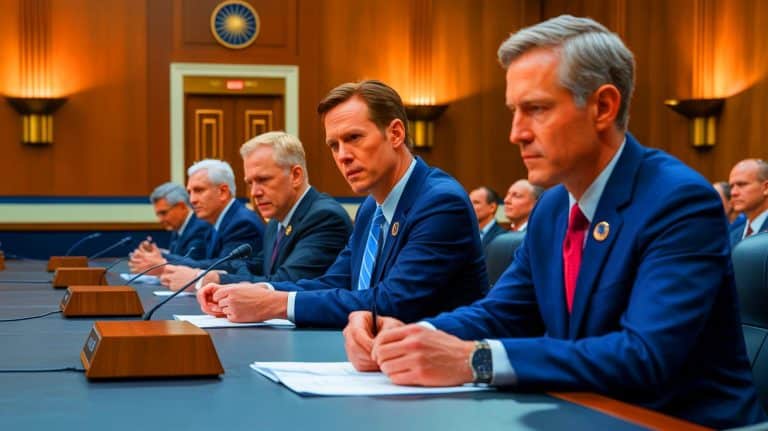



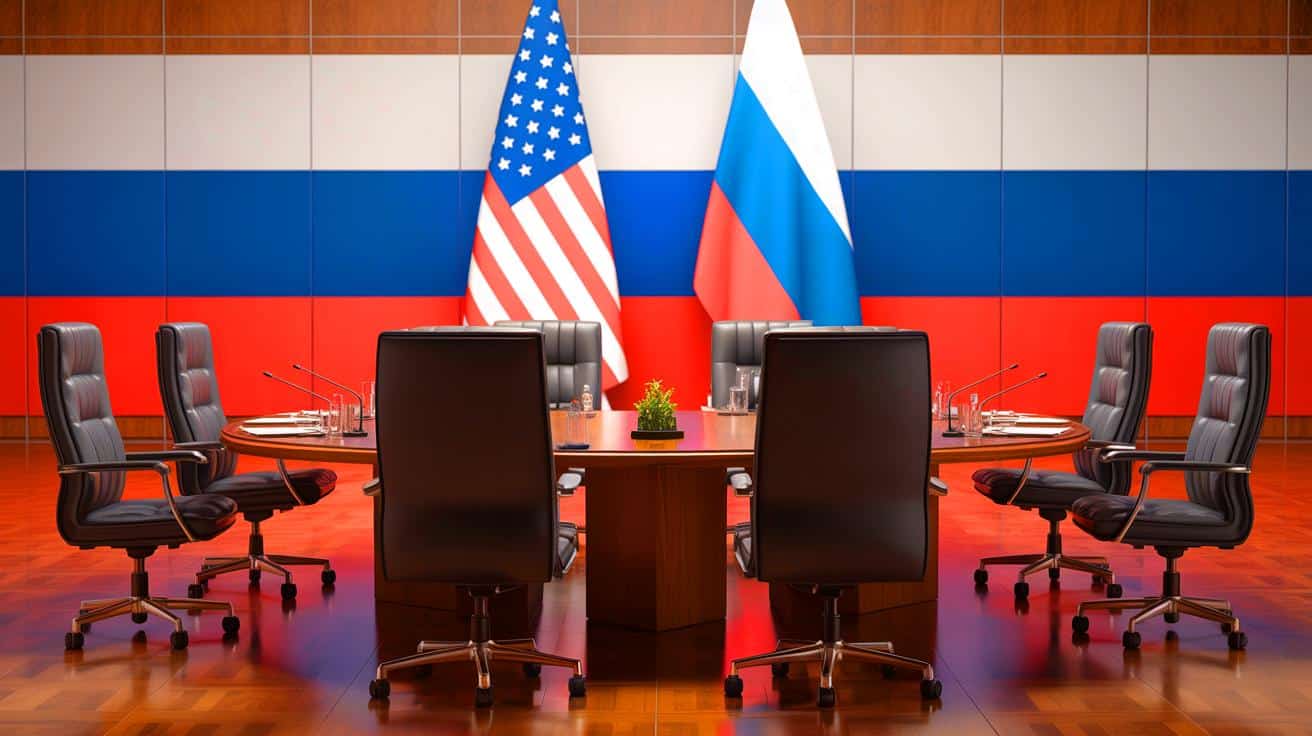
US-Russia Summit Canceled: Defense Secretary’s Info Bottleneck Raises Tensions, Army Vice Chief Ousted Early
 By
Adam Kovács
By
Adam Kovács
| IN A NUTSHELL |
|
In recent developments on the global stage, the anticipated peace talks between the U.S. and Russia have hit a roadblock. President Donald Trump’s proposed summit with Russian President Vladimir Putin, aimed at resolving the ongoing conflict in Ukraine, has been postponed. The decision comes amid Russia’s refusal to engage in negotiations, sparking international concern. Meanwhile, the Pentagon is facing scrutiny over its internal dynamics and communication strategies, particularly concerning its interactions with Congress. These events highlight a volatile period in international relations and defense policies, raising questions about future diplomatic engagements and military strategies.
Peace Talks Stumble Amidst Tensions in Ukraine
The planned summit between President Donald Trump and Russian President Vladimir Putin, which was expected to address the prolonged war in Ukraine, has been postponed. Russian officials have shown little interest in reaching a deal, undermining Trump’s efforts to promote peace. The summit, initially set to take place in Budapest, was called off after it became clear that Putin had no intention of accepting a ceasefire along the current front lines.
Russian Foreign Minister Sergei Lavrov exacerbated tensions by falsely claiming that a ceasefire would mean Ukraine remaining under “Nazi rule.” This rhetoric is part of a broader narrative used by Russia to justify its invasion of Ukraine. Despite the setback, Hungarian Prime Minister Viktor Orban remains hopeful about rescheduling the summit, indicating that diplomatic efforts are not entirely off the table.
Ukrainian President Volodymyr Zelenskyy has criticized Russia’s withdrawal from negotiations, suggesting that the lack of U.S. long-range missile support influenced their decision. This raises questions about the effectiveness of military aid in diplomatic negotiations and highlights the complex dynamics at play in the region.
Changes in U.S. Military Leadership Raise Questions
In a surprising move, the Trump administration has nominated Lt. Gen. Christopher LaNeve as the next Army vice chief of staff, replacing Gen. James Mingus. This decision comes only six months into LaNeve’s role as Defense Secretary Pete Hegseth’s senior military aide. Such a rapid transition has raised eyebrows, particularly since the vice chief of staff position is typically held for about three years.
The timing of this nomination, alongside other recent personnel changes, suggests a strategic reshuffle within the Pentagon. Adm. Alvin Holsey, overseeing military operations in Venezuela, is also set to retire early. These moves have sparked debate about the administration’s motivations and the potential implications for U.S. military strategy.
Within the Pentagon, there is growing discontent regarding these changes. Reports suggest that trust in Defense Secretary Hegseth’s leadership has diminished among senior military officers. His leadership style and recent personnel decisions are seen as contributing to a loss of talent and confidence within the Department of Defense.
Pentagon’s Communication Strategy Under Scrutiny
The Pentagon has recently revised its communication protocol with Congress, requiring all correspondence to be coordinated through the assistant defense secretary for legislative affairs. This change aims to ensure consistency and alignment with the Department’s priorities, according to Defense Secretary Pete Hegseth.
While the Pentagon claims this move will improve transparency and responsiveness, lawmakers have expressed frustration with the department’s lack of cooperation in the past. The new protocol excludes the independent inspector general’s office, raising concerns about the potential for information bottlenecks and reduced oversight.
This shift in communication strategy comes amid broader concerns about the Pentagon’s transparency and accountability. As Congress continues to seek information on various defense-related issues, the effectiveness of this new approach remains to be seen.
Drone Strategy and Middle East Engagements
The U.S. Army is working on a new strategy for unmanned aerial systems (UAS), focusing on interoperability and autonomy. This strategy includes developing drones that can understand “commander’s intent” and take orders rather than relying on manual control. The initiative reflects a shift towards more advanced and versatile drone capabilities within the military.
In the Middle East, the U.S. has announced the establishment of a civil-military coordination center in Israel. This center will play a crucial role in managing humanitarian aid to Gaza and monitoring the Israel-Hamas ceasefire. The U.S. military personnel involved will remain in Israel, emphasizing a supportive rather than direct interventionist role.
Turkey’s involvement in securing the Gaza ceasefire has also shifted diplomatic dynamics in the region. The country’s efforts have bolstered its influence, allowing it to leverage goodwill in Washington for its own strategic goals. This development underscores the complex interplay of regional powers and their impact on U.S. foreign policy.
As these developments unfold, the international community is left to ponder the future of diplomatic relations and military strategy. The postponed U.S.-Russia summit, changes within the Pentagon, and evolving military strategies signal a period of uncertainty and transformation. How will these changes affect global stability and the pursuit of peace in conflict-ridden regions? The coming months may provide crucial answers to these pressing questions.
Continue reading