


SOUTHCOM Leadership Change Sparks New Concerns Over Operations Near Venezuela and Impacts on Chicago Deployment
 By
Adam Kovács
By
Adam Kovács
| IN A NUTSHELL |
|
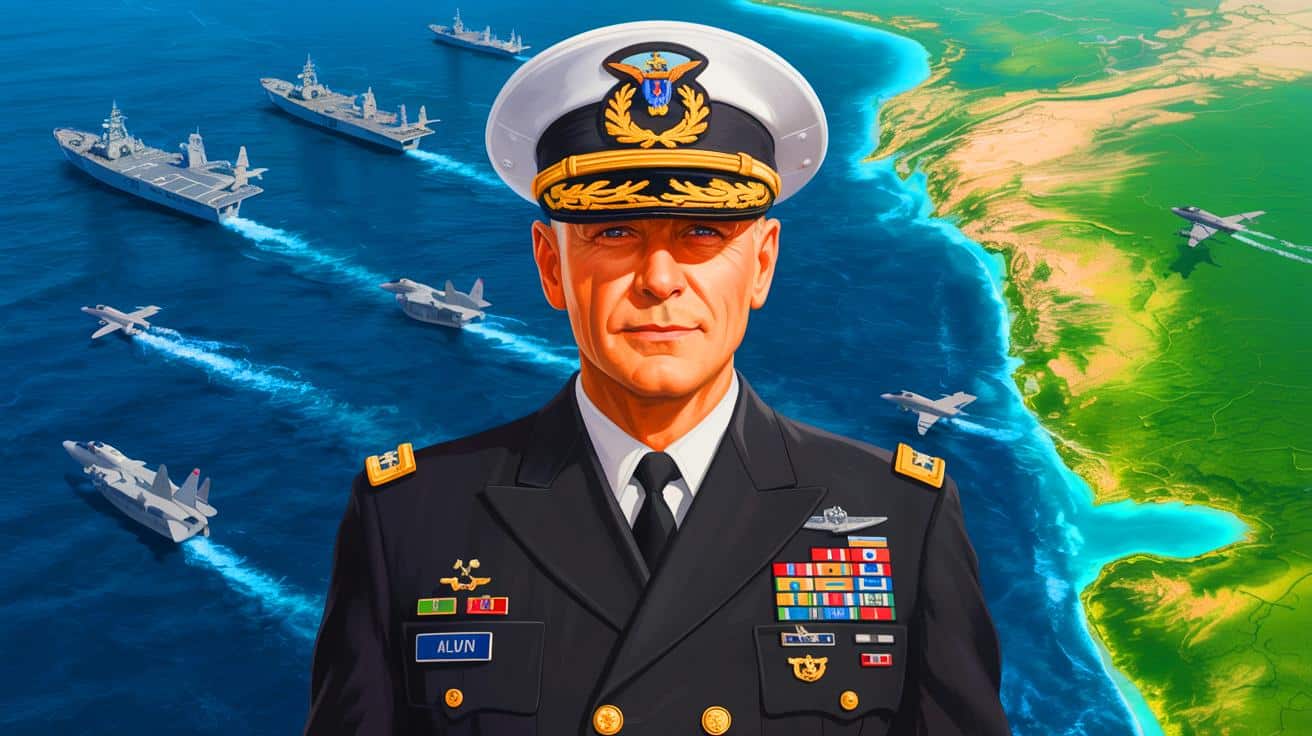
In a surprising development, Navy Admiral Alvin Holsey has stepped down as the commander of U.S. Southern Command (SOUTHCOM) two years earlier than expected. His departure comes amidst heightened military activities in Latin America, particularly around Venezuela, where the U.S. has been engaging in operations purportedly aimed at combating fentanyl trafficking. The operations have included military strikes on alleged drug trafficking boats, resulting in numerous casualties. Admiral Holsey’s sudden resignation has raised questions about the U.S. military’s strategy and the potential implications for regional stability.
Admiral Holsey’s Unexpected Resignation
The news of Admiral Alvin Holsey’s early resignation from his role as the commander of SOUTHCOM has caught many by surprise. Typically, appointments to such high-ranking positions are expected to last for three years, but Holsey’s departure comes less than a year into his tenure. The reasons for his resignation remain unclear, but reports suggest that he had expressed concerns about the current mission and the controversial attacks on alleged drug boats. This resignation adds to a growing list of military leaders, many from minority backgrounds, who have left their positions this year.
Senator Jack Reed, a senior member of the Armed Services Committee, expressed alarm at Holsey’s resignation, particularly given the current geopolitical tensions in the region. Reed highlighted the potential risks of military interventions in Venezuela without congressional authorization, warning that such actions could be unwise and dangerous. The senator’s concerns underscore the broader unease about the U.S. military’s current approach in Latin America.
Operations in Latin America: A Controversial Strategy
The U.S. military’s operations in Latin America, especially near Venezuela, have been a subject of intense debate. Under the previous administration, thousands of troops, along with warships and a submarine, were deployed to the region. The official justification for this military presence is to combat fentanyl trafficking, but the aggressive nature of the operations has drawn criticism. Strikes on small boats allegedly involved in drug trafficking have resulted in over two dozen deaths, raising questions about due process and the legitimacy of these actions.
Recently, the U.S. military attacked another alleged drug boat, leaving survivors for the first time. This incident has prompted further questions about the military’s operational objectives and whether survivors are being treated as prisoners of war. The lack of clarity and transparency around these operations adds to the uncertainty and concern about U.S. military engagement in the region.
Impact on U.S. Domestic Policy and Military Strategy
Admiral Holsey’s resignation and the subsequent debate over U.S. military operations in Latin America have implications for domestic policy and military strategy. The administration’s approach has been characterized by an assertive stance towards Venezuela, including rumored CIA operations inside the country. These actions reflect a broader shift in U.S. foreign policy, emphasizing military intervention and intelligence operations.
Domestically, the deployment of National Guard forces to cities like Chicago has been met with legal challenges and public opposition. A federal appeals court recently upheld a pause on the deployment, questioning the administration’s justification for such actions. Critics argue that these deployments blur the line between military and civilian roles, potentially turning American streets into battlefields.
Concerns About Authoritarianism and Military Oversight
The developments in Latin America and the U.S. domestic sphere have sparked concerns about an erosion of democratic norms and an increase in authoritarian tendencies. A report by former U.S. intelligence officers warns of the country’s drift towards competitive authoritarianism, where democratic institutions are manipulated to consolidate executive power. This trend is characterized by a weakening of public trust and attacks on the free press and academic freedom.
This erosion of checks and balances is further exemplified by the administration’s decision to pay furloughed troops with funds not appropriated by Congress, in violation of the Antideficiency Act. Such actions undermine the foundational principles of democratic governance and highlight the need for vigilance and accountability in military and governmental operations.
As the U.S. navigates these complex geopolitical and domestic challenges, the question remains: How will the country reconcile its military ambitions with the principles of democratic oversight and accountability?
Continue reading