



Air Force’s Fighter Jet Ambitions Possible with Unlimited Funding, Raising Questions About Military Spending Priorities
 By
Adam Kovács
By
Adam Kovács
| IN A NUTSHELL |
|
The U.S. Air Force is setting its sights on a significant expansion of its fighter jet inventory over the next decade, aiming to bolster homeland defense capabilities. However, the execution of this ambitious plan hinges on Congress’s willingness to provide substantial financial backing. The latest report submitted to Congress outlines the challenges and requirements for achieving these goals, highlighting the need for a broader interpretation of inventory definitions and increased production capabilities. This endeavor not only raises questions about military spending priorities but also underscores the complexities of modern defense planning in an evolving global landscape.
The Air Force’s Ambitious Expansion Plan
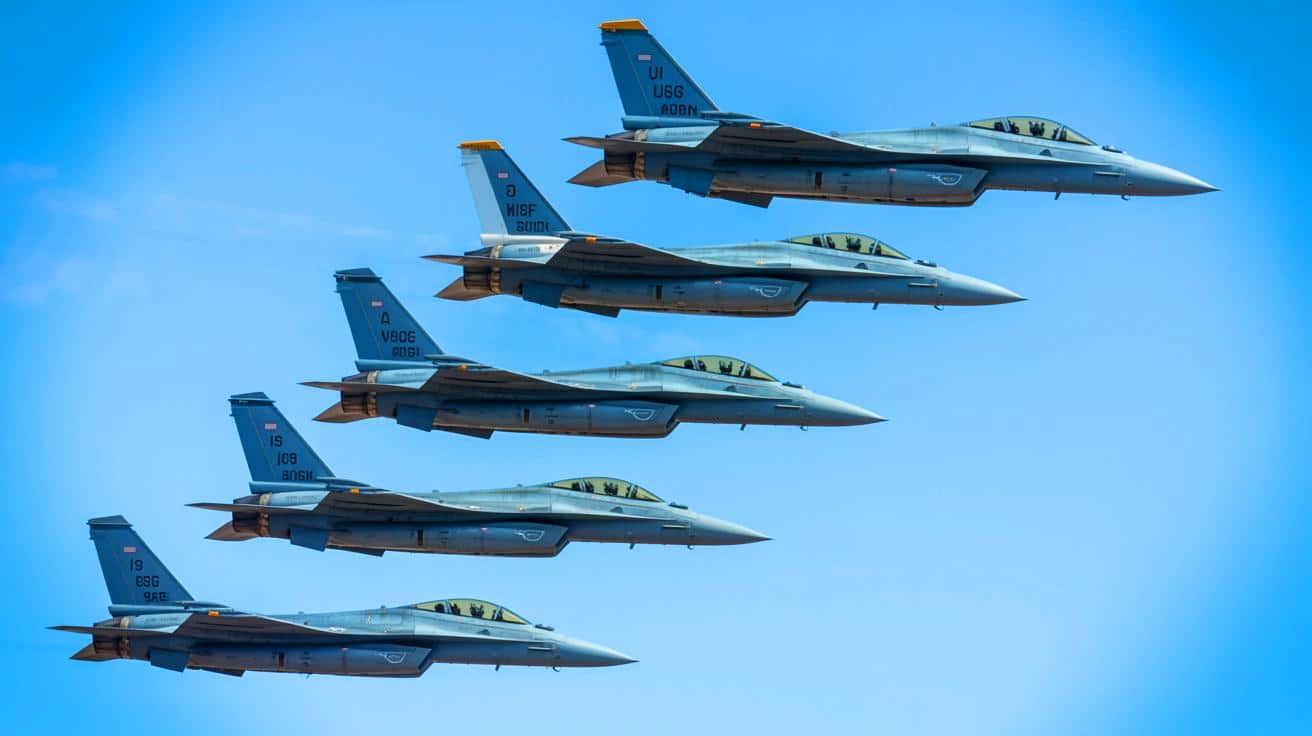
The Air Force is proposing to increase its fleet of manned tactical aircraft to nearly 1,400 by 2030. This marks a significant rise from the current inventory of 1,160 combat aircraft. The ultimate goal is to reach 1,558 units to ensure mission success with high confidence and minimal risk. However, achieving this ambitious target is contingent upon Congress providing the necessary financial resources.
An official from the Air Force emphasized the importance of setting realistic goals despite fiscal constraints. “What we’re setting is really the bar for what is the possibility out there,” the official stated. The official further explained that the service’s goals are dependent on the availability of fiscal resources, which are yet to be secured. This ambitious plan reflects the Air Force’s strategic vision for enhancing national security capabilities, but it also highlights the challenges of aligning military aspirations with budgetary realities.
Challenges in Achieving the Expansion
The report, obtained by Defense One, underscores several obstacles to the Air Force’s expansion plan. One significant hurdle is the lack of “total obligation authority,” which limits the ability to place the necessary orders. Additionally, industry production limitations pose another challenge, potentially hindering the Air Force’s ability to meet global force requirements.
The strategy, mandated by the latest National Defense Authorization Act, outlines the need for a near-perfect alignment of conditions to succeed. This includes favorable industry conditions and adequate financial backing. The report also discusses ongoing modernization efforts for aging aircraft, emphasizing the need for a comprehensive approach to maintaining and enhancing the Air Force’s combat capabilities.
Redefining Fighter Jet Inventory
The Air Force is advocating for a change in how fighter jet inventory is defined by Congress. Currently, the 2018 National Defense Authorization Act mandates a minimum of 1,145 fighter jets in the primary mission aircraft inventory. However, the Air Force proposes expanding this definition to “combat-coded total aircraft inventory,” which would include primary mission, reserve, and backup fighters.
This broader definition, as stated in the report, would provide a more comprehensive assessment of the aircraft used to meet combat demands. By redefining inventory requirements, the Air Force aims to better align its capabilities with evolving national security needs. This shift in terminology reflects a strategic effort to enhance flexibility and adaptability in maintaining a robust defense posture.
Expert Opinions and Budgetary Concerns
Defense experts have expressed mixed opinions about the report’s content and implications. Some experts believe the report falls short of addressing future national security requirements, particularly in terms of the buildup of tactical jets. The lack of specific budget details has also raised concerns about the feasibility of the proposed expansion.
“There’s probably a lot of different opinions on whether it scratches the itch,” an Air Force official noted. The report’s exclusion of key budget details has led to skepticism about its practicality. As the Air Force seeks to navigate the complexities of modern defense planning, it faces the challenge of balancing ambitious goals with fiscal realities. This ongoing dialogue highlights the need for transparent and comprehensive planning in addressing national defense priorities.
The Air Force’s plan to expand its fighter jet inventory represents a pivotal moment in shaping the future of U.S. national security. As Congress deliberates on the necessary financial commitments, the broader implications of this expansion remain a topic of debate. How will the Air Force’s strategic vision align with evolving geopolitical challenges, and what role will Congress play in shaping this future? The answers to these questions will have far-reaching implications for the nation’s defense strategy in the coming years.