



New National Security Strategy Sparks Debate on Homeland Defense, Promising to Reshape Protection Measures for Americans
 By
Adam Kovács
By
Adam Kovács
| IN A NUTSHELL |
|
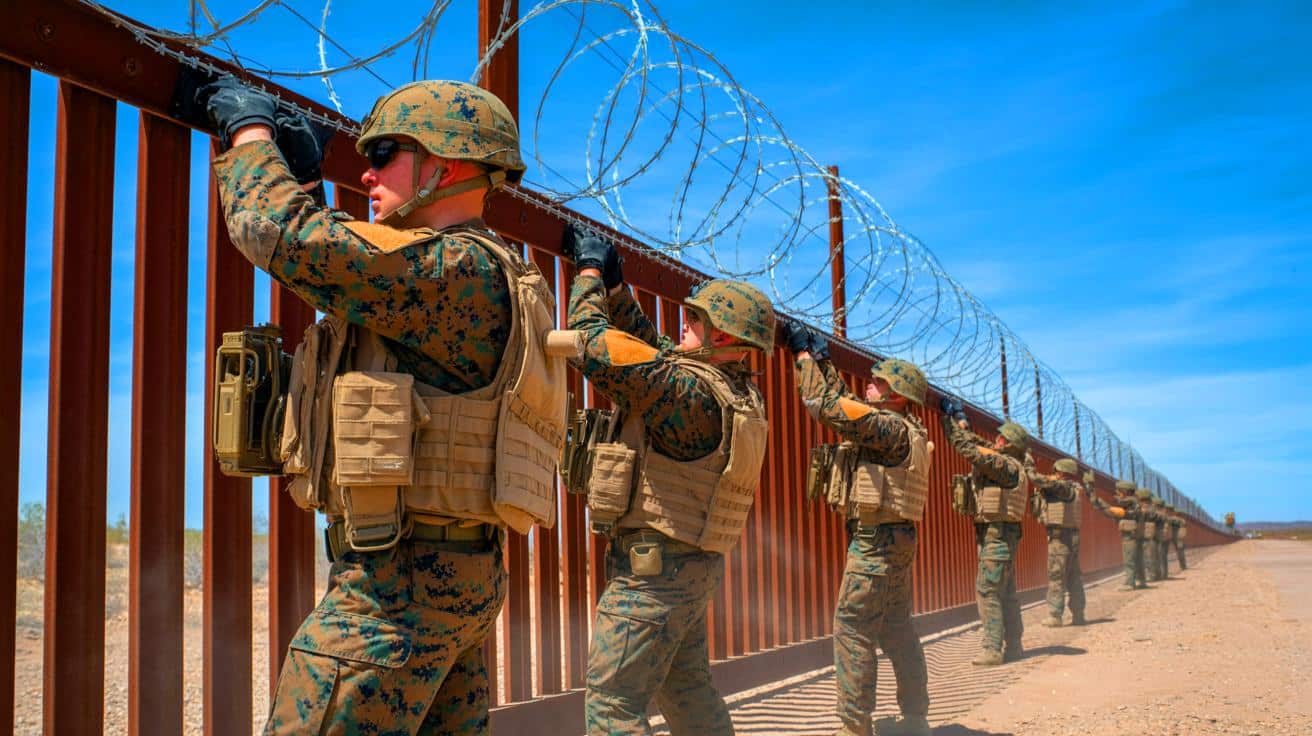
In a rapidly evolving global landscape, the United States is grappling with the need to redefine its approach to national security. As threats become more complex and multifaceted, experts suggest that the forthcoming update to the national defense strategy could significantly alter how the U.S. practices homeland defense. Traditionally focused on deterring foreign adversaries like China, the new strategy might emphasize domestic operations, including border security and counter-drug efforts. As the Department of Defense prepares to release this much-anticipated update, questions abound regarding the implications for military capabilities and budgetary priorities.
The Expanding Scope of Homeland Defense
A shift is underway in how the United States conceptualizes homeland defense. Historically, the focus has been on deterring foreign adversaries, with China often cited as the primary concern. However, recent developments indicate a broader interpretation that includes domestic responsibilities. This shift is not just theoretical but is already manifesting in policy changes and operational priorities. The administration is increasingly viewing border security and counter-drug operations as integral components of national defense strategy.
This broadening scope raises questions about the military’s readiness and capability to undertake these new responsibilities. Todd Harrison, a senior fellow at the American Enterprise Institute, notes that these tasks are not traditional military roles. They require different skill sets and resources that the military may not currently possess. Importantly, these changes could challenge legal and ethical norms, as the military’s involvement in domestic affairs is typically limited by law.
With this expanded definition of homeland defense, there is a pressing need to reevaluate the military’s role and capabilities. How this will be reflected in the upcoming national defense strategy remains a topic of significant debate among policymakers and defense experts.
China Accuses NSA of Long-Term Hacking, Revealing Years of Targeted Attacks on National Time Systems
Budgetary Constraints and Strategic Priorities
As the Department of Defense considers these strategic shifts, budgetary constraints loom large. Recent reports indicate that defense spending has prioritized innovation over immediate readiness, potentially leaving gaps in near-term deterrence capabilities. Carlton Haelig, a fellow at the Center for a New American Security, points out that the focus on long-term objectives has overshadowed the need for immediate operational readiness.
To address these issues, the Pentagon may need to reallocate resources towards less expensive, rapid acquisition programs. This could involve shifting away from costly systems that take years or even decades to develop. Instead, investing in quicker-turn acquisitions, like attritable drones, may provide the necessary agility to respond to emerging threats.
However, the challenge lies in balancing these new priorities with existing commitments. With a defense budget that is unlikely to grow significantly, the Pentagon faces tough choices. It must decide how to allocate resources efficiently while ensuring that both immediate and long-term national security needs are met.
Potential Changes in Strategic Priorities
The evolving security environment necessitates a reevaluation of strategic priorities. There is speculation that the new national defense strategy could elevate the importance of homeland defense in relation to other global threats. Philip Sheers, a research associate at CNAS, suggests that while China remains a key concern, the strategy might introduce a new framework for assessing strategic priorities.
This potential shift could have far-reaching implications for U.S. defense policy. If homeland defense is given increased prominence, it could lead to a reallocation of resources and a reevaluation of existing military commitments. Such changes would not only impact how the U.S. engages with its allies and adversaries but also how it prepares for future conflicts.
As these discussions unfold, the military and policymakers will need to carefully consider the trade-offs involved in reshaping strategic priorities. Any changes must be grounded in a clear understanding of the current and future threat landscape, ensuring that the U.S. remains prepared to address a wide range of challenges.
The Role of Policy and Budget in Shaping Defense Strategy
While the national defense strategy serves as a guiding document, its influence on actual policy and budget decisions can be limited. Todd Harrison emphasizes that the strategy’s impact depends on the administration’s willingness to implement and adhere to its guidelines. In practice, the Office of Management and Budget plays a significant role in shaping the Pentagon’s budget requests, often exerting more influence than the strategy itself.
This dynamic underscores the importance of aligning strategic goals with budgetary realities. If the strategy is to serve as an effective framework for defense policy, it must be accompanied by a commitment to allocate resources accordingly. Without this alignment, the strategy risks becoming a document that guides in theory but not in practice.
As the Department of Defense finalizes its strategy update, the interplay between policy, strategy, and budget will be critical. Ensuring that all three elements work in harmony will be essential for effectively addressing the complex security challenges facing the nation.
As the United States navigates this complex landscape, the upcoming national defense strategy will be pivotal in shaping future defense policy. How will these evolving priorities influence the nation’s ability to address both domestic and international security challenges in the years to come?
Continue reading