



Pentagon Policy Change on Ukraine Aid Reveals New Challenges, Shifting Priorities Amid Global Tensions
 By
Adam Kovács
By
Adam Kovács
| IN A NUTSHELL |
|
The ongoing discourse between the Pentagon and Congress has taken another turn, with conflicting statements arising regarding a potential pause in weapons shipments to Ukraine. Senate hearings have exposed discrepancies between the testimonies of Pentagon officials, leaving lawmakers in a state of confusion. At the heart of the matter is a lack of coordination and communication that has frustrated both sides. This situation brings to light broader issues of transparency and accountability within the Department of Defense, raising questions about how military and policy decisions are communicated and enacted.
Conflicting Testimonies Create Confusion
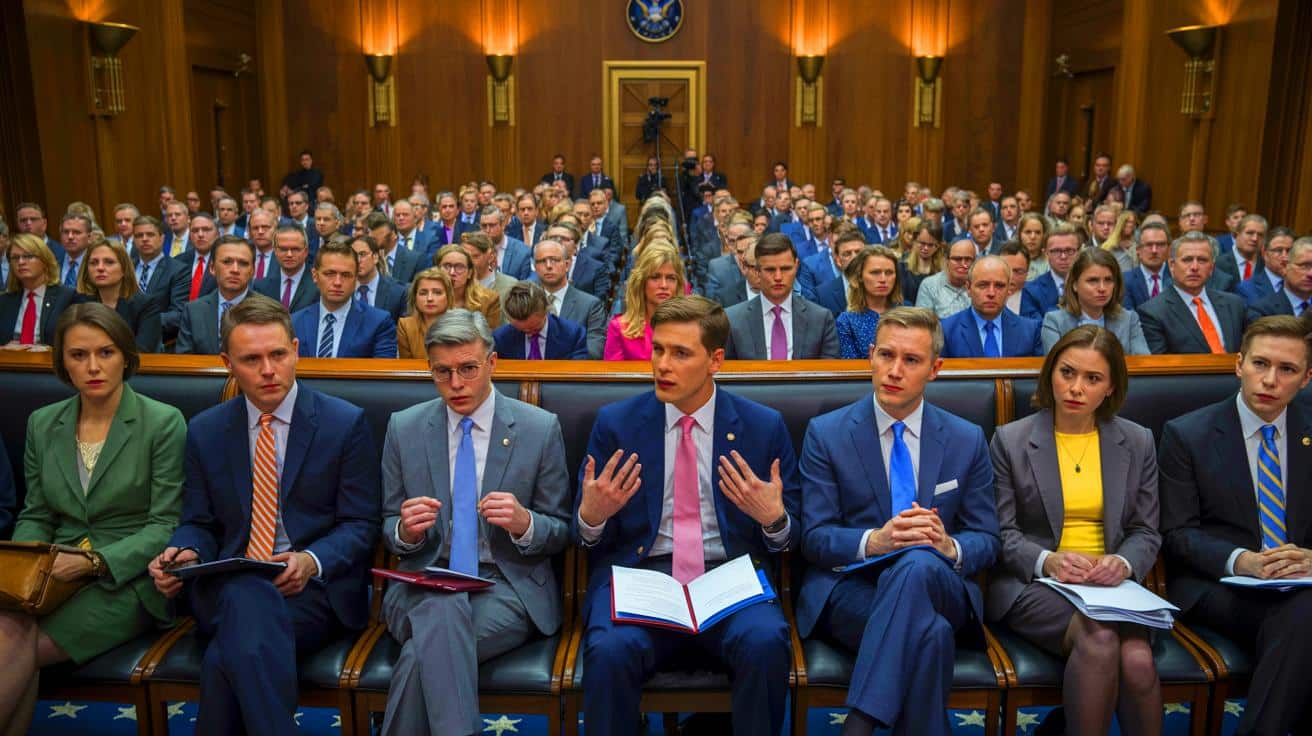
Recent Senate hearings aimed to clarify the Pentagon’s stance on Ukraine aid have instead highlighted inconsistencies in official narratives. Alex Velez-Green, a senior advisor nominated for a key Pentagon position, testified that no pause in weapons shipments was ordered, contradicting earlier statements from Pentagon spokespersons. His testimony diverged from that of Austin Dahmer, another Pentagon official, who claimed no awareness of a pause. These conflicting accounts have left members of the Senate Armed Services Committee seeking clarity. Such discrepancies underscore the challenges lawmakers face in obtaining accurate information, fueling frustration over a perceived lack of transparency.
These hearings reveal the complexity of internal communications within the Pentagon. While Velez-Green acknowledged brief disruptions related to a review of weapons stockpiles, he maintained that these were not intentional pauses. The diverging testimonies raise questions about the internal processes and communication channels within the Department of Defense. As key decisions impacting national security and foreign policy hang in the balance, the need for clear and consistent communication becomes paramount.
Lack of Coordination With Congress
The recent revelations have reignited concerns over the Pentagon’s coordination with Congress. Lawmakers from both parties have criticized the Department for failing to communicate effectively. This has been particularly evident in surprise moves, such as the review of the AUKUS agreement and the cancelation of a rotational Army deployment to Romania, which lawmakers learned about through the media. Such actions have led to bipartisan criticism, with senators lamenting the difficulty of engaging with the Pentagon’s policy office.
The lack of advance notice to Congress on significant policy shifts undermines the essential checks and balances that are integral to democratic governance. Senators have emphasized the necessity for meaningful engagement, arguing that open dialogue would allow for a more informed legislative process. As the Pentagon continues its strategic planning, the importance of fostering a cooperative relationship with Congress is crucial to ensuring informed decision-making and maintaining public trust.
Challenges in Media Reporting
Media reports have played a significant role in shaping the narrative surrounding the Pentagon’s actions, sometimes exacerbating confusion. Velez-Green pointed out instances where media reports were “the opposite of reality,” referencing a story about the deployment of an additional carrier strike group to the Middle East. These discrepancies between official accounts and media reports highlight the challenges in obtaining accurate information.
The role of the media in reporting defense matters is complex. While it serves as a crucial watchdog, ensuring government accountability, inaccuracies can lead to misunderstandings and policy missteps. The Pentagon’s struggle to manage its narrative amid conflicting reports underscores the need for clear communication strategies. As defense policies impact international relations and national security, ensuring accurate reporting is essential for informed public discourse.
Striving for Better Communication
In response to the communication challenges, Velez-Green has pledged to enhance direct engagement with Congress. During the Senate hearings, he committed to personally responding to lawmakers’ requests for information, moving away from relying solely on the office of legislative affairs. This commitment reflects a recognition of the frustrations voiced by lawmakers and a willingness to improve communication channels.
The move towards more direct communication is a positive step in addressing the current challenges. By fostering open dialogue and ensuring transparency, the Pentagon can work to build trust and facilitate informed decision-making. As the Department of Defense navigates complex geopolitical landscapes, effective communication with Congress will be essential in aligning strategic objectives with legislative priorities.
The unfolding situation between the Pentagon and Congress raises important questions about the role of communication in governance. As officials strive to balance transparency with operational security, how can the Department of Defense ensure that its actions are both accountable and effective in an increasingly complex global landscape?