



Commandant’s New ARG/MEU Strategy Sparks Major Reforms in Military Acquisition, Revealing Impact on Future Defense Projects
 By
Adam Kovács
By
Adam Kovács
| IN A NUTSHELL |
|
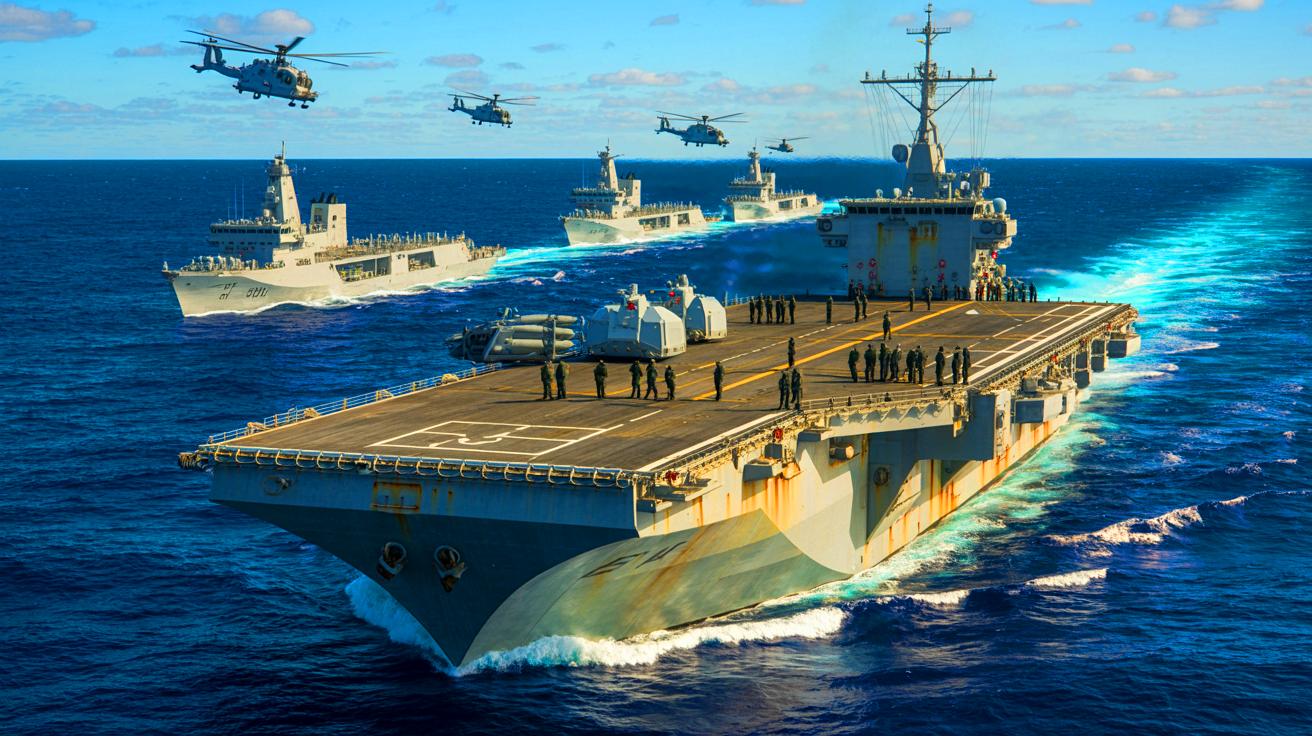
The United States faces a growing challenge in maintaining its amphibious readiness, a cornerstone of its global military strategy. Marine Corps Commandant Gen. Eric Smith has expressed concerns about the current state of the U.S. amphibious fleet, which has seen a significant decline in both numbers and readiness. At the heart of this issue is the need for the United States to sustain a robust presence of Amphibious Ready Groups (ARGs) and Marine Expeditionary Units (MEUs) at sea. This capability is essential for rapid response to conflicts and other global needs. However, as the nation shifted its focus to extended land campaigns in the Middle East, the amphibious fleet was deprioritized, leading to the challenges it faces today.
The Decline of Amphibious Readiness
In recent years, the U.S. amphibious fleet has seen a steady decline in both the number of ships and their operational readiness. Once capable of maintaining three ARG/MEUs at sea, the fleet has shrunk significantly. By 1997, the number of amphibious ships had dropped to 40, and by 2016, it stood at just 31. Today, the fleet consists of 32 ships with an average readiness of only 45 percent. This decline has been attributed to several factors, including aging vessels, strained shipyards, and slipping timelines for maintenance and replacement.
Sustaining a 3.0 ARG/MEU presence requires a fleet of 31 amphibious ships at 80 percent readiness, a goal that seems increasingly difficult to achieve. The recent LHA/LPD block buy was a positive step, but it is not enough to address the broader challenges facing the fleet. The need for a comprehensive strategy to revitalize the amphibious fleet is critical as global security threats continue to evolve.
Reviving Former Military Bases
As the United States grapples with its amphibious readiness, it is also considering the reactivation of former military bases in strategic locations. The Trump administration has been eyeing sites in Panama and Puerto Rico, such as Naval Station Roosevelt Roads and Fort Sherman, as potential assets in its new strategy. This move is part of a broader effort to address alleged drug trafficking around Latin America and to prepare for possible military action in Venezuela.
The decision to reactivate these bases is not without controversy. While the administration sees it as a necessary step to bolster U.S. presence in the region, critics argue that it could escalate tensions and lead to unintended consequences. Moreover, the plan to stage at an old base in Ecuador was rejected by voters, signaling potential challenges in gaining local support for such initiatives.
Defense Department Naming Controversy
The proposed renaming of the Defense Department to the War Department has sparked debate and concern over the potential costs and implications of such a change. President Trump’s executive order allows for the use of the title “Secretary of War” in certain contexts, but a formal name change would require an act of Congress. The estimated cost of this change is staggering, with projections reaching as high as $2 billion. This includes the expenses of updating department letterheads, signage, and digital infrastructure.
A recent survey reveals that the majority of Americans oppose the name change, with 54 percent against and only 22 percent in support. Even among Republicans, support is lukewarm, with only 42 percent expressing approval. The debate highlights the complexities and potential pitfalls of altering the identity of a major federal department, especially in a time of fiscal restraint.
National Guard Deployments and Legal Challenges
In response to civil unrest and protests, the Pentagon has deployed National Guard troops to cities like Chicago and Portland. However, these deployments have faced legal challenges that have limited their effectiveness. Federal judges have blocked the deployment of Guard troops in both cities, citing concerns about the use of military force in domestic affairs. These legal battles have underscored the tension between federal authority and state rights in addressing public safety concerns.
The recent reduction of National Guard presence in these cities marks a shift in strategy, with the Pentagon aiming to maintain a long-term presence while respecting legal rulings. This situation reflects the broader challenges of balancing security needs with constitutional protections and underscores the importance of clear legal frameworks for military deployments within the United States.
As the United States navigates these complex issues, the question remains: How can the nation effectively balance military readiness and strategic presence with fiscal responsibility and legal constraints? The answers to these questions will shape the future of American military strategy and its role on the global stage.