

Trump Considers Military Options, Explores Diplomatic Talks with Venezuela: Potential Shift in US Foreign Policy
 By
Adam Kovács
By
Adam Kovács
| IN A NUTSHELL |
|
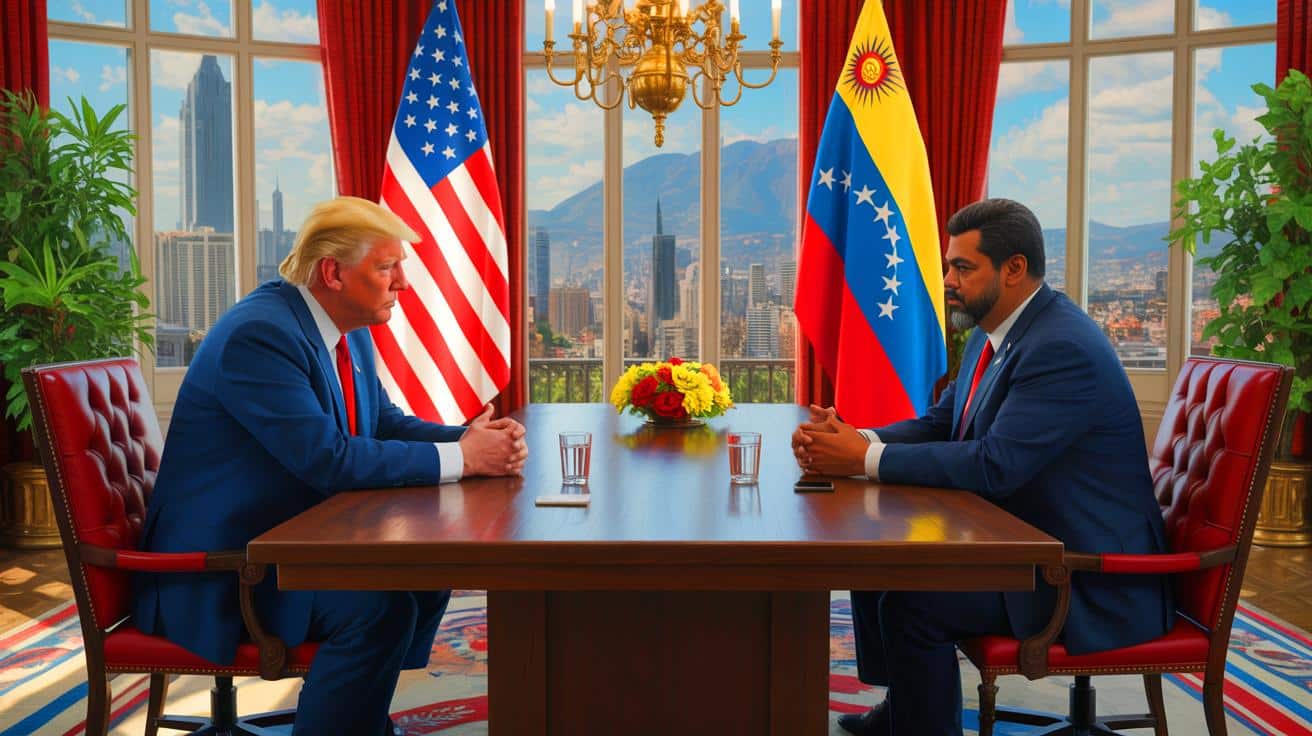
President Donald Trump recently made waves by not ruling out military action against Venezuela while simultaneously suggesting the possibility of diplomatic discussions with Venezuelan leader Nicolás Maduro. This dual approach has left experts and citizens alike questioning the Trump administration’s intentions and future actions. The administration’s recent military buildup in the Caribbean and plans to label a cartel allegedly led by Maduro as a terrorist organization have added layers of complexity to an already tense relationship. Meanwhile, the presence of the USS Gerald R. Ford in the region underscores the seriousness of the U.S. stance.
Trump’s Dual Strategy: Diplomacy and Military Pressure
President Trump’s stance on Venezuela is characterized by a mix of diplomatic openness and military readiness. On one hand, he has expressed a willingness to engage in talks with Maduro. Yet, he leaves the door open for military intervention if deemed necessary. Trump’s comments have stirred uncertainty about the administration’s next steps, as he ties Maduro to the flow of drugs and migrants into the U.S. This mixed message creates a precarious balance between engagement and confrontation.
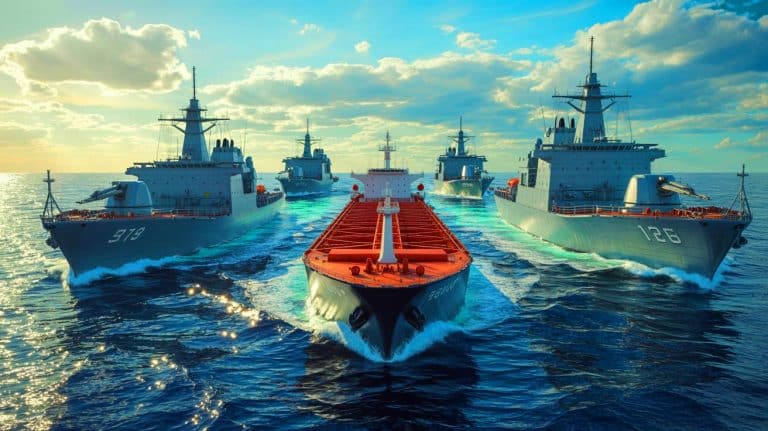
The U.S. has increased pressure on Venezuela, particularly with plans to designate a cartel connected to Maduro as a terrorist organization. This move highlights the administration’s intent to negotiate from a position of strength. The presence of U.S. warships in the Caribbean is seen by some as a counterdrug operation while others view it as a strategic maneuver against Maduro. This dual approach raises questions about the effectiveness of combining diplomacy with military might.
Historical Context and Past Negotiations
Venezuela’s political landscape has been tumultuous, with past negotiations between the U.S. and Maduro’s government often stalling. Despite multiple attempts at dialogue, Maduro has consistently tested the limits of agreements aimed at democratic elections. In previous negotiations, the U.S. made concessions, such as allowing Chevron Corp. to resume oil operations in Venezuela. These actions provided a financial lifeline to Maduro’s government, complicating efforts for a democratic transition.
Maduro’s history of negotiations includes engagements with both the U.S. and Venezuela’s political opposition. However, these talks have often resulted in unfulfilled promises and contested election outcomes. The July 2024 presidential election saw Maduro claim victory despite evidence to the contrary. This history casts doubt on the potential success of any new diplomatic efforts, leaving the international community skeptical of real progress.
Venezuela Buildup Sparks Regional Tensions as War Plans for Nigeria and China’s Third Carrier Unfold
Regional Implications: Mexico and Beyond
Trump’s comments have not been limited to Venezuela; he also mentioned the possibility of military action in Mexico to combat drug trafficking. This broad approach to regional security reflects the administration’s focus on curbing narcotics flows into the U.S. Trump’s willingness to consider strikes in Mexico or targeting Colombian cocaine factories highlights a broader strategy that could have significant geopolitical repercussions.
The potential for U.S. military action in Latin American countries raises concerns about sovereignty and diplomatic relations. While the administration emphasizes drug interdiction, the implications of military interventions could destabilize the region. This strategy demands careful consideration of long-term impacts on U.S. relations with its neighbors and the potential for unintended consequences in the region.
Skepticism and Hope in Venezuela
Within Venezuela, reactions to the possibility of U.S.-Venezuela talks are mixed. Citizens express both skepticism and hope, reflecting the complex political environment. Many Venezuelans hope for a peaceful resolution that prioritizes dialogue over conflict. However, past experiences of broken agreements and unfulfilled promises cast a shadow over these hopes.
Individuals like shopkeeper Gustavo García voice the need for serious commitment to dialogue, while others, like stay-at-home mother Mery Martínez, emphasize the importance of avoiding conflict. The prospect of renewed talks raises questions about the effectiveness of diplomacy amidst ongoing tensions. As the U.S. and Venezuela navigate this challenging landscape, the potential for meaningful change remains uncertain.
As President Trump navigates the delicate balance between diplomacy and military intervention in Venezuela, the world watches closely. The potential for a peaceful resolution or escalating conflict hangs in the balance, with implications for regional stability and international relations. How will the Trump administration’s dual strategy of diplomacy and military readiness shape the future of U.S.-Venezuela relations, and what role will international stakeholders play in this complex geopolitical puzzle?
Continue reading