



Rep. Rob Wittman Reveals Defense Strategy Shifts: How New Policies Could Impact Military Families and Communities
 By
Adam Kovács
By
Adam Kovács
| IN A NUTSHELL |
|
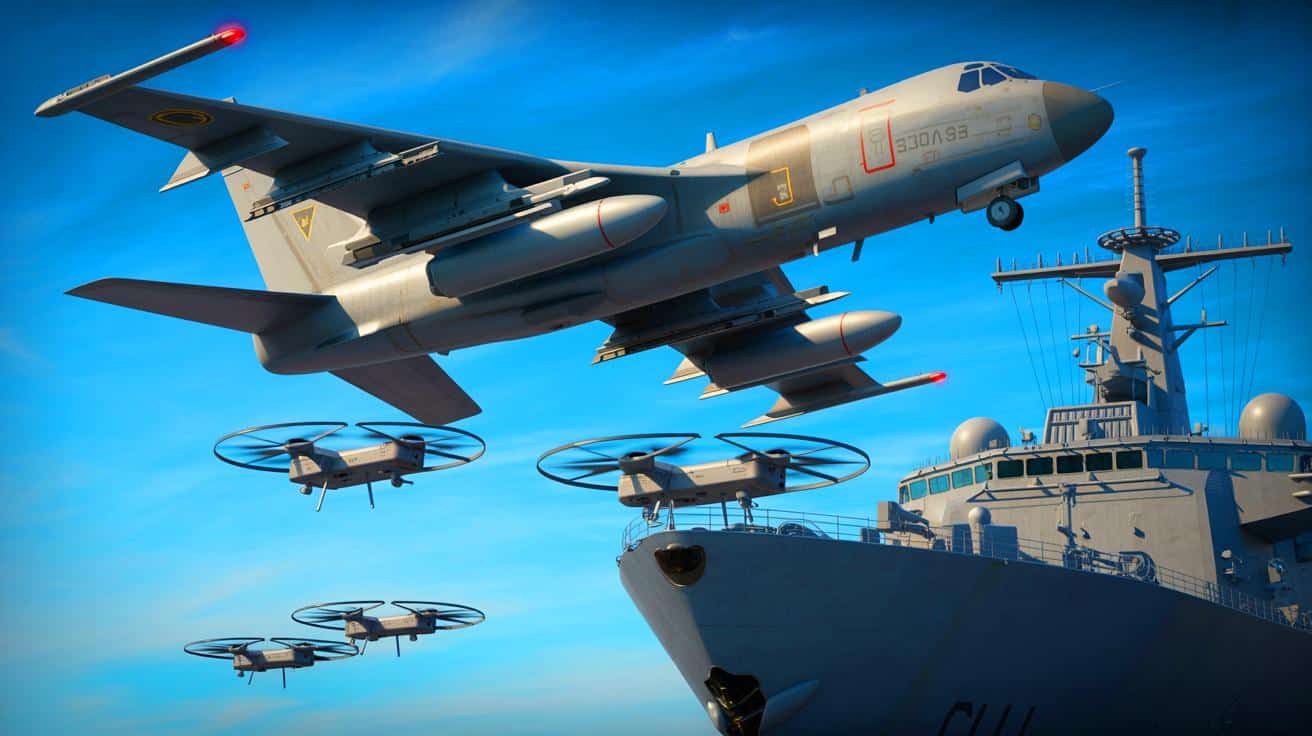
The landscape of military operations is evolving rapidly as technological advancements and strategic shifts redefine priorities. Recent data indicates a significant increase in military aircraft crashes, raising concerns about safety and oversight. Meanwhile, the Air Force is undergoing organizational changes, with key programs now supervised by high-ranking officials. The Navy is also exploring innovative paths, focusing on the swift production of maritime drones. These efforts are part of a broader push for acquisition reform, emphasizing readiness over perfection. With these developments, the defense sector faces both challenges and opportunities, shaping the future of national security.
Rising Aircraft Crashes: A Cause for Concern
Between 2020 and 2024, there has been a notable spike in military aircraft crashes. This alarming trend has prompted calls for immediate action to address potential safety lapses. Experts suggest that a combination of aging equipment and increased operational demands may be contributing factors. As the military continues to rely on its aviation capabilities, ensuring the safety of personnel and equipment is paramount.
The implications of these crashes extend beyond the immediate loss of aircraft. They also impact morale and trust within the ranks, as well as public perception. Addressing these issues requires a comprehensive approach, involving both technological upgrades and enhanced training protocols. The goal is to reduce incidents while maintaining operational readiness.
“The increase in military aircraft crashes is a stark reminder of the need for vigilant oversight and modernization efforts,” said a defense analyst.
Air Force Reorganization: A Strategic Move
Significant changes are underway within the Air Force, with its largest programs now overseen by a four-star officer under the Deputy Secretary of Defense. This reorganization aims to streamline decision-making processes and improve the management of resources. By placing these programs under high-level supervision, the Air Force seeks to enhance accountability and efficiency.
This shift reflects a broader trend in military restructuring, where emphasis is placed on strategic oversight and rapid adaptation to emerging threats. As the Air Force navigates this transition, it must balance the need for innovation with the demands of existing operations. The success of this approach will largely depend on the ability of leadership to integrate new technologies and strategies effectively.
The reorganization marks a pivotal moment for the Air Force, as it adapts to a rapidly changing defense landscape.
Navy’s Vision: Fast-Tracking Maritime Drones
The Navy is pursuing an ambitious strategy to incorporate maritime drones into its fleet. By focusing on building these drones in months rather than years, the Navy aims to enhance its operational capabilities swiftly. This approach aligns with the concept of a hybrid fleet, where manned and unmanned systems work in tandem to achieve mission objectives.
The potential benefits of maritime drones are significant. They offer increased flexibility, reduced risk to personnel, and cost-effective solutions for various maritime operations. However, the rapid development and deployment of these drones also present challenges, particularly in terms of integration and interoperability with existing systems.
“Building maritime drones quickly could be the key to creating a more agile and responsive Navy,” a naval strategist commented.
Acquisition Reform: Prioritizing Readiness
The military’s acquisition reform efforts signify a shift in priorities, with a focus on achieving 85% readiness as a benchmark for starting operations. This approach challenges the traditional emphasis on perfection, recognizing the need for speed and adaptability in a dynamic security environment. By accepting a certain level of risk, the military can deploy capabilities faster, responding more effectively to emerging threats.
This reform is not without its critics, who argue that it could compromise long-term reliability and performance. However, proponents maintain that the benefits of quicker deployment and operational flexibility outweigh potential drawbacks. The success of this strategy will depend on rigorous testing and evaluation processes to ensure that readiness does not come at the expense of safety and effectiveness.
The acquisition reform reflects a pragmatic approach to maintaining military superiority in an unpredictable world.
As the defense sector navigates these transformations, the implications for national security are profound. From addressing safety concerns in aviation to embracing technological innovations in maritime operations, the military is charting a new course. The success of these initiatives will depend on balancing the demands of readiness with the need for rigorous oversight. How will these changes shape the future of defense strategy and policy?