


JAS 39 Gripen Challenges F-35’s Dominance, Sparking Debate Over Canada’s Future Military Strategy and Defense Spending
 By
Adam Kovács
By
Adam Kovács
| IN A NUTSHELL |
|
The ongoing debate over Canada’s choice of fighter jets is intensifying, with calls for Ottawa to consider the Swedish Saab JAS 39 Gripen over the American-made F-35. The Gripen presents a more cost-effective alternative, boasting lower operational costs and flexibility with short takeoff and landing capabilities. However, critics highlight the Gripen’s lack of stealth and its vulnerability against advanced threats, raising concerns about its suitability for modern combat. The decision carries significant economic implications as well, with potential impacts on Canada’s aerospace industry and its relationship with the United States.
The F-35 vs. JAS 39 Gripen Debate
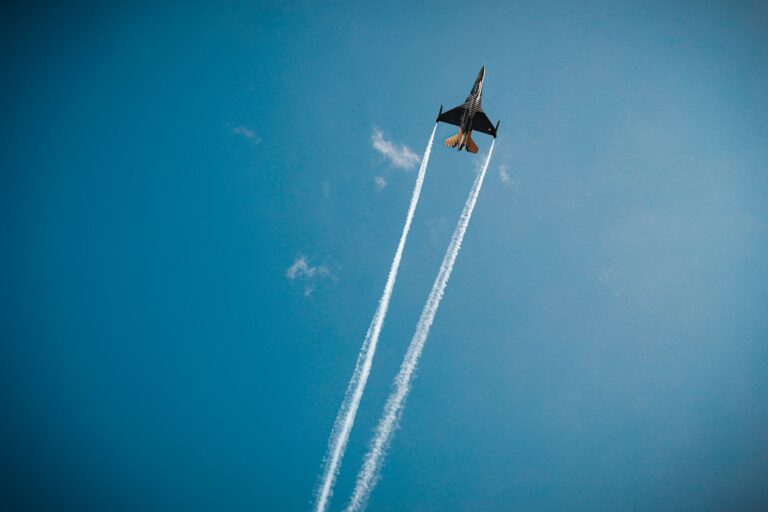
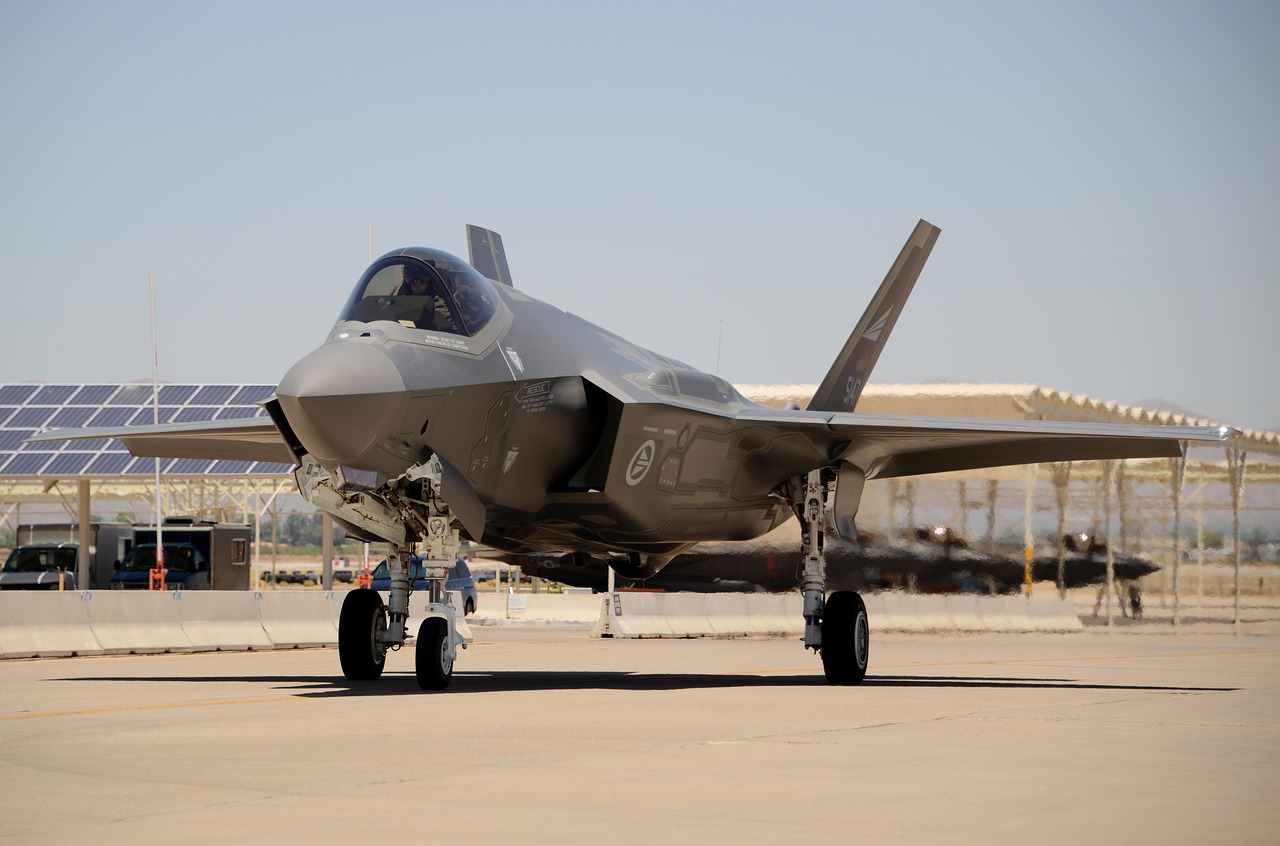
The Royal Canadian Air Force (RCAF) is at the center of a heated discussion about whether to continue with the Lockheed Martin F-35 Lightning II or switch to the Saab JAS 39 Gripen. The F-35, a 5th-generation stealth fighter, offers advanced capabilities but comes with a hefty price tag. In contrast, the Gripen is a 4.5-generation non-stealth fighter, known for its cost efficiency. Despite the Gripen’s advantages on paper, including lower operational costs and compatibility with NATO systems, the decision is not straightforward. Canada’s defense budget constraints add another layer of complexity to this debate.
The RCAF’s potential shift to the Gripen has sparked discussions about the strategic and operational implications. A leaked report suggested a preference for the F-35, raising questions about transparency and decision-making processes. Proponents of the Gripen argue that it offers a pragmatic solution, particularly given budgetary pressures and geopolitical dynamics. However, the stakes are high, as the choice of fighter jets will shape Canada’s defense capabilities for decades to come.
US Strategy to Constrain ISIS and Iran Faces Challenges Beyond Troop Presence at Key Syrian Airbase
Economic Considerations in the Fighter Jet Decision
One of the most compelling arguments for the Gripen is its cost-effectiveness. The Gripen’s operational cost per flight hour is significantly lower than that of the F-35, making it an attractive option for Canada, which operates with a more modest defense budget compared to the United States. Additionally, the Gripen’s short takeoff and landing capabilities could provide operational flexibility, allowing it to operate from a wide range of airstrips.
However, economic considerations extend beyond operational costs. Veteran test pilot Billie Flynn has warned that abandoning the F-35 program could have dire consequences for Canada’s aerospace sector. The F-35 program supports numerous high-tech firms in Canada, contributing to significant economic activity and employment. Withdrawing from the program could jeopardize these benefits, impacting the country’s broader industrial base.
“Leaving Lockheed Martin F-35 program means Canadian firms lose their contracted work on a franchise program building over 3,000 aircraft,” Flynn cautions. “The result would be catastrophic for Canadian aerospace; a failure of epic proportion.”
Technical Challenges of the Gripen
While the Gripen offers several advantages, its technical limitations cannot be ignored. The aircraft lacks the stealth capabilities of the F-35, which could leave it vulnerable in high-threat environments. The landscape of modern warfare increasingly emphasizes stealth technology, and the Gripen’s absence of this feature is a significant drawback.
Additionally, the Gripen’s performance against advanced adversaries is a concern. In recent conflicts, 4.5-generation fighters have faced challenges when pitted against newer models. The Gripen’s ability to contend with modern threats, such as Russia’s Su-57, remains questionable, raising doubts about its long-term viability for the RCAF. These technical considerations are crucial in evaluating whether the Gripen can meet Canada’s defense needs in the future.
Geopolitical Implications of the Fighter Jet Choice
The decision between the F-35 and Gripen extends beyond technical specifications and economic factors. It also encompasses geopolitical considerations. Canada’s relationship with the United States is a critical factor in this debate. In recent years, tensions have emerged, influenced by political dynamics and regional security concerns. Some Canadian critics of the F-35 deal question the reliability of the U.S. as an ally, particularly given past political rhetoric.
Choosing the Gripen could signify a shift in Canada’s defense posture, potentially altering its alliances and partnerships. The implications of such a decision would resonate through diplomatic channels, shaping Canada’s role on the global stage. As the debate unfolds, the interplay of defense, economics, and geopolitics will shape the final decision, influencing Canada’s strategic orientation for years to come.
As Canada navigates the complex landscape of its fighter jet procurement, the choices made will have lasting impacts on the nation’s defense strategy and international standing. The decision involves balancing operational needs, economic considerations, and geopolitical realities. How will Canada reconcile these competing priorities to ensure a secure and prosperous future?