



“This Nuclear Ship Carries 15,000 Containers”: Hyundai Develops Revolutionary SMR Powered Vessel That Could Eliminate Maritime Carbon Emissions While Transforming Global Shipping Forever
 By
Adam Kovács
By
Adam Kovács
| IN A NUTSHELL |
|
As the world grapples with the urgent need to reduce carbon emissions, the maritime industry finds itself at a pivotal juncture. Shipping currently accounts for nearly 3% of global greenhouse gas emissions, with projections indicating this could rise significantly if left unchecked. In a bid to address this pressing issue, Hyundai, through its subsidiary HD Korea Shipbuilding & Offshore Engineering (HD KSOE), has embarked on an ambitious project to develop a nuclear-powered container ship. This groundbreaking initiative was unveiled at the New Nuclear for Maritime Houston Summit in February, signaling a potential shift in how the world approaches maritime shipping.
A Nuclear-Powered Vessel of Significant Capacity
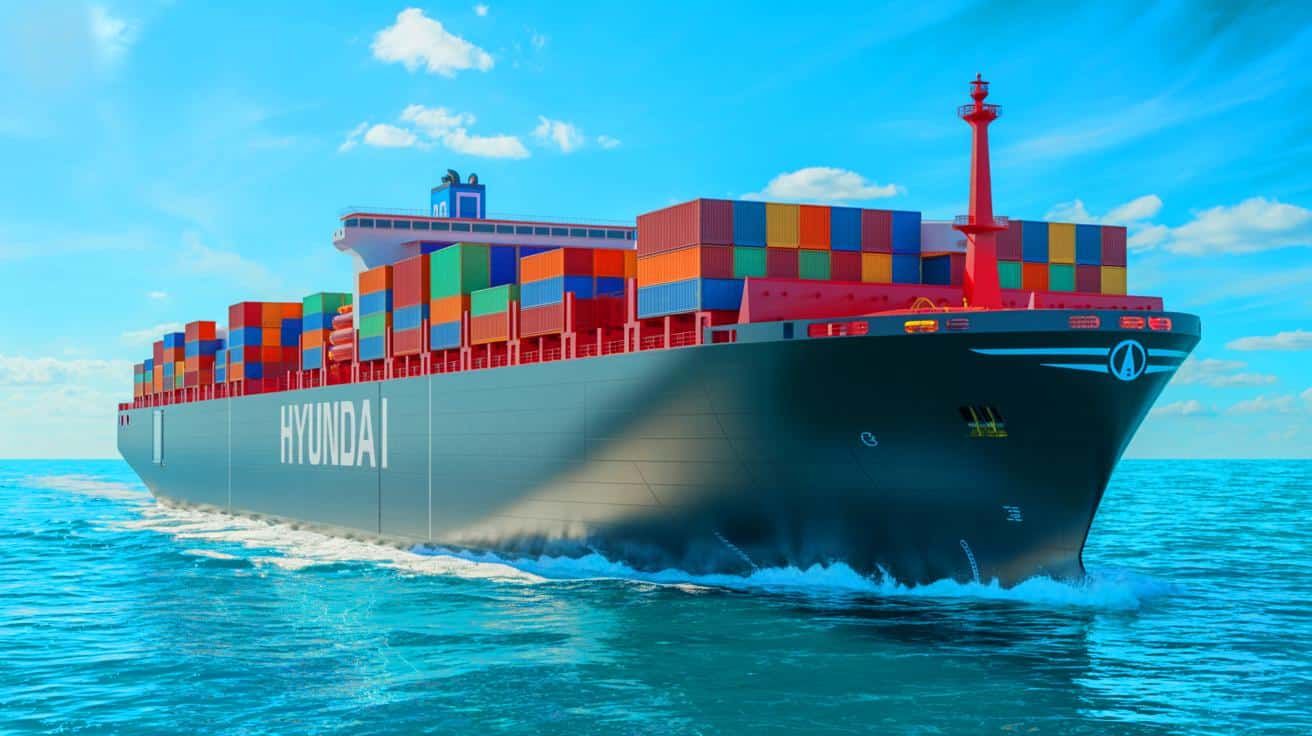
The proposed nuclear-powered cargo ship from Hyundai is designed to carry up to 15,000 containers, utilizing small modular reactor (SMR) technology. SMRs are compact nuclear reactors that offer a more manageable deployment compared to traditional nuclear reactors. Their smaller size and enhanced safety features make them an attractive option for maritime applications. The project has already received the endorsement of the American Bureau of Shipping (ABS), a leading organization dedicated to the safety and environmental sustainability of the maritime industry.
The use of SMR technology in shipping could significantly reduce the industry’s carbon footprint. The compact reactors eliminate the need for large engine exhaust systems and fuel tanks, thereby increasing cargo space and efficiency. This technological advancement aligns with global efforts to achieve carbon neutrality and presents a sustainable alternative to conventional fossil fuel-powered vessels.
An Ambitious Endeavor
The development of this nuclear-powered cargo ship is a collaborative effort between Hyundai and ABS. According to Patrick Ryan, ABS’s Chief Technology Officer, “Nuclear-powered ships can be a game-changer in the current shipbuilding market where carbon neutrality is emerging.” This partnership aims to accelerate the commercialization of marine nuclear technology on a global scale, setting a precedent for future innovations in shipbuilding.
The project underscores the potential of nuclear propulsion to revolutionize the maritime industry. By reducing reliance on fossil fuels, nuclear-powered ships can help mitigate the environmental impact of global shipping. This initiative also reflects Hyundai’s commitment to pioneering sustainable solutions in response to the growing demand for greener practices in maritime transportation.
A Concept Gaining Traction
Hyundai is not alone in exploring nuclear propulsion for maritime applications. Other industry leaders, including Lloyd’s Register, CORE POWER, and Maersk, are also investigating the feasibility of fourth-generation reactor-powered container ships. Last year, these companies announced a feasibility study to assess the potential of such vessels in decarbonizing maritime transport.
The appeal of nuclear propulsion lies in its ability to enhance cargo capacity by freeing up space previously occupied by traditional engine systems. This increased efficiency could contribute to more sustainable shipping practices, reducing the industry’s overall environmental impact. The interest from multiple stakeholders highlights the growing recognition of nuclear technology as a viable solution for achieving long-term sustainability in the maritime sector.
The Future of Maritime Shipping
The initiative by Hyundai and its partners represents a significant step towards the decarbonization of maritime transport. By equipping container ships with nuclear propulsion, the industry can move closer to achieving carbon neutrality. The project’s success could pave the way for other sectors to adopt similar technologies, fostering a broader shift towards sustainable energy solutions.
As the maritime industry continues to explore innovative approaches to reduce emissions, questions remain about the widespread adoption of nuclear-powered vessels. Will the benefits of increased efficiency and reduced carbon emissions outweigh potential safety and regulatory challenges? The answers to these questions will shape the future of maritime shipping and its role in global efforts to combat climate change.
While Hyundai’s nuclear-powered container ship project is promising, it raises important questions about the future of maritime transport. How will the industry balance the need for innovation with concerns about safety and environmental impact? The answer will be crucial in determining the role of nuclear technology in achieving sustainable shipping practices.