

“DARPA Wants To Grow Space Cities”: Military Agency Plans Living Structures That Build Themselves While Defense Budget Hides Bio-Engineering Revolution Forever
 By
Adam Kovács
By
Adam Kovács
| IN A NUTSHELL |
|
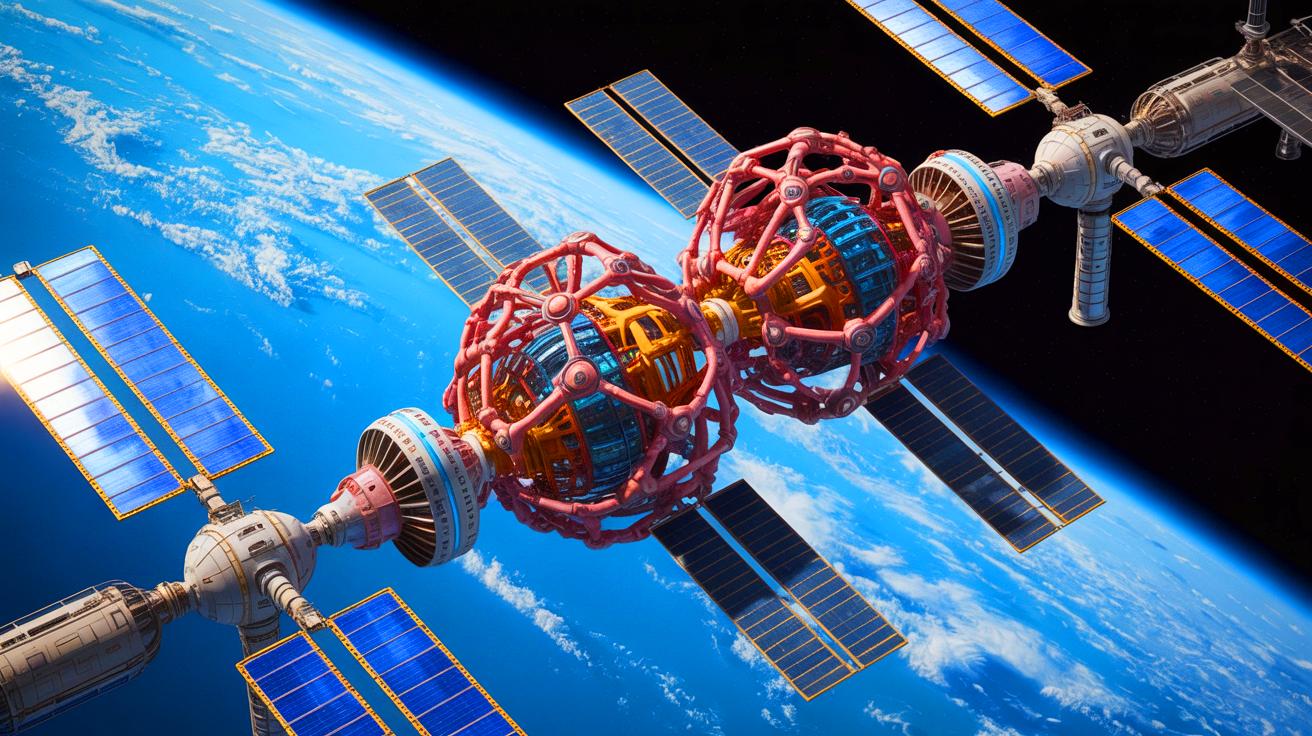
The Defense Advanced Research Projects Agency (DARPA) has a history of pursuing ambitious projects, often blurring the lines between science fiction and reality. Their latest endeavor involves plans for constructing “bio-mechanical space structures”, a concept that has sparked significant interest and curiosity. DARPA’s recent Request for Information hints at the potential of creating massive structures over 1,600 feet in length using biological components. This proposal could potentially transform the landscape of space infrastructure and engineering, pushing the boundaries of what is currently deemed possible. Yet, the specifics remain shrouded in mystery, leaving experts and the public alike eager to learn more.
DARPA’s Vision for Space Construction
DARPA’s innovative vision for space construction involves utilizing biological growth mechanisms to develop large, self-assembled structures in space. The concept is a radical departure from traditional methods of assembling space stations or satellites, which rely heavily on launching pre-fabricated components from Earth. By harnessing the rapid growth properties of biological materials, DARPA aims to reduce costs and increase efficiency in space construction. This could lead to a new era where space structures are grown rather than built, potentially revolutionizing our approach to space exploration and habitation.
The agency’s analogy likening biological growth to the cover of a tent supported by structural tent poles underscores the foundational role these biological components could play. By integrating biology with mechanical engineering, DARPA envisions a hybrid approach that could overcome current limitations and expand our capabilities in space. However, the feasibility and practical implementation of such a paradigm shift remain subjects of intense research and discussion.
Potential Applications and Implications
The potential applications of bio-mechanical space structures are vast and varied. Among the possibilities DARPA is exploring are tethers for space elevators, grid-nets for orbital debris remediation, and kilometer-scale interferometers for advanced radio science. Moreover, these structures could serve as new self-assembled wings for commercial space stations, facilitating additional payloads and enhancing operational flexibility.
One of the most intriguing aspects of this initiative is the concept of on-demand production of materials to repair micrometeorite damage in space. Such capabilities would significantly enhance the longevity and resilience of space installations, reducing the need for costly repairs and replacements. However, realizing these applications requires overcoming significant technical and biological challenges, as well as ensuring the stability and reliability of the materials involved.
Challenges and Uncertainties
While the concept of bio-mechanical space structures is promising, it is not without its challenges. The integration of biological and mechanical components in the harsh environment of space presents numerous hurdles, from ensuring the stability of biological growths to maintaining the integrity of the structures over time. Additionally, the regulatory and ethical implications of deploying such technologies in space require careful consideration and oversight.
The timeline for developing and implementing these technologies is also uncertain. Current budgetary constraints and potential cuts to research funding further complicate the picture. The impact of these financial dynamics on DARPA's ambitious plans remains to be seen, particularly in light of competing priorities within the Department of Defense and other governmental bodies.
The Road Ahead
Despite these challenges, DARPA is forging ahead with its plans, organizing a workshop to gather insights and explore future research directions. This event, scheduled for April, will provide a platform for experts to discuss the technical, logistical, and ethical aspects of bio-mechanical space structures. The outcomes of this workshop will likely shape the future trajectory of the project and determine its viability in the coming years.
The concept of growing structures in space is undeniably bold, and its realization could herald a new era in space exploration. However, the journey from concept to reality is fraught with uncertainties and complexities. As DARPA continues to push the boundaries of innovation, the world watches closely, eager to see how these developments unfold and what they mean for the future of space exploration.
The prospect of bio-mechanical space structures raises profound questions about the future of space exploration and our role in the cosmos. As DARPA moves forward with its plans, the potential for groundbreaking advancements is immense. Yet, the challenges are equally significant. How will these developments shape our understanding of space and our place within it? What new possibilities will arise from this fusion of biology and engineering? The answers may redefine the future of humanity in space.