



“A Submarine That Carries Forty Tomahawks”: Virginia Block V Emerges As $3.5B Stealth Warship, Redefining U.S. Naval Power With Unmanned Systems And Hypersonic Reach
 By
Adam Kovács
By
Adam Kovács
| IN A NUTSHELL |
|
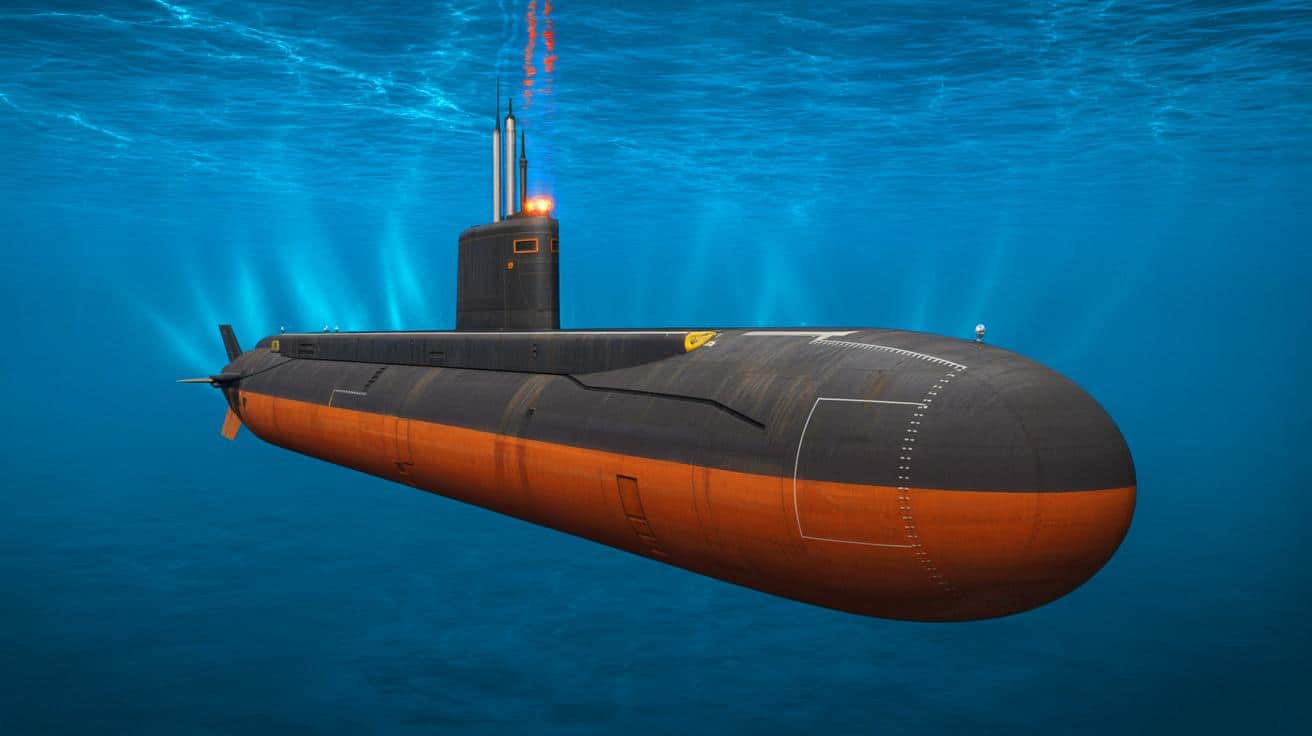
The Virginia Block V attack submarine is at the forefront of undersea warfare innovation, characterized by its cutting-edge technology and formidable capabilities. This initiative, marking the largest shipbuilding contract in U.S. Navy history, signifies a substantial investment in national defense. The contract, valued at over $22 billion, was awarded to General Dynamics Electric Boat, the lead contractor responsible for delivering this advanced submarine. Designed as a true multimission vessel, the Block V not only boasts impressive strike capabilities but also the capacity to deploy large-diameter unmanned underwater vehicles, alongside traditional surveillance missions. This article explores the key features that position the Virginia Block V as a transformative force in naval defense.
Enlarged Hull and Increased Firepower
The Virginia Block V is distinguished by its significantly enlarged hull, enhancing its presence and capabilities in the ocean. Of the nine to ten submarines planned, eight will incorporate an 84-foot section added to the hull. This extension includes four large-diameter tubes, each designed to carry seven Tomahawk cruise missiles. In addition to the 12 missiles in the bow, the Block V can accommodate up to 40 cruise missiles, substantially boosting its strike capacity.
Beyond traditional Tomahawk land-attack missiles, the large tubes offer versatility, allowing the deployment of large-diameter unmanned undersea vehicles, hypersonic prompt-strike missiles, and the new maritime strike version of the Tomahawk against ships. This adaptability significantly expands the operational scope of the submarine, enabling it to execute a variety of missions that capitalize on its stealth and firepower. Such flexibility ensures the Block V remains a formidable asset in the evolving landscape of naval warfare.
Operational Excellence and Versatility
The Block V is conceptualized as a Swiss Army knife for undersea warfare, assuming roles traditionally assigned to retiring guided-missile submarines, or SSGNs. According to Bryan Clark, a retired submarine officer and analyst, this transition will necessitate a cultural shift within the submarine community. The Block V’s introduction signifies a pivotal change in operational concepts, expanding missions beyond the classic intelligence-gathering roles.
Submariners are trained in a multitude of missions, including Tomahawk deployments, anti-ship operations, and swimmer delivery. With the Block V, these missions will become a principal component of training. The advent of the Tomahawk maritime strike missile adds an anti-ship dimension to the submarine’s capabilities, aligning with the expansive mission profile reminiscent of the Cold War era. This adaptability ensures that the Block V remains a crucial asset in the strategic framework of modern naval operations.
Stealthy Design for Enhanced Performance
The Block V integrates an acoustic superiority program, a comprehensive initiative aimed at enhancing listening capabilities and bolstering stealth. This program features a new vertical array, advanced coatings, and machinery-quieting technology throughout the submarine. These upgrades render the Block V significantly quieter, improving its capability to operate undetected in contested waters.
Enhancements in stealth technology are vital for the Block V to accomplish its intended role in undersea warfare. By amplifying its ability to detect other ships and submarines while maintaining its cover, the Block V can effectively execute its missions without compromising its position. These advancements ensure that the Block V continues to be a pivotal asset in sustaining undersea dominance.
Cost Considerations and Strategic Implications
The Virginia Block V represents a substantial financial undertaking, with each submarine costing over $3.5 billion. The total program value, including government-furnished equipment, is estimated at $35 billion if all ten submarines are acquired. This expenditure underscores the Navy’s recognition of the escalating need to deploy more missiles to counter threats from long-range anti-ship missiles.
Relying on submarines for strike missions poses a double-edged sword. While superior submarines increase the likelihood of operating within contested zones, the cost of creating a submerged force capable of delivering the necessary volume of firepower is significantly higher than utilizing surface forces. Navy analyst Jerry Hendrix suggests exploring alternatives such as large unmanned surface combatants to enhance missile capacity affordably. This approach could balance the financial and strategic demands of contemporary naval warfare.
The Virginia Block V attack submarine embodies a significant leap forward in naval capabilities, integrating advanced technology with strategic versatility. As the Navy continues to refine its operational concepts, the Block V’s role in modern warfare will undeniably be pivotal. As we anticipate the future of naval defense, how will the incorporation of unmanned systems further augment the capabilities of submarines like the Block V?