


“Army Admits New Truck Can’t Survive War”: $370,000 Infantry Vehicle Has Zero Armor While Soldiers Face Enemy Fire Unprotected
 By
Adam Kovács
By
Adam Kovács
| IN A NUTSHELL |
|
The U.S. Army’s decision to incorporate the new Infantry Squad Vehicle (ISV) into its ranks marks a significant shift in military strategy and vehicle procurement. These lightweight vehicles, based on Chevrolet’s Colorado ZR2 Bison, are designed to transport troops swiftly across varied terrains. However, the absence of armor and other protective features raises critical questions about their effectiveness in combat scenarios. This move comes as the Pentagon halts the procurement of more traditional armored vehicles, setting a new direction for military mobility. The implications of this decision are far-reaching, affecting not only tactical considerations but also the safety and operational capabilities of U.S. troops.
The Design and Purpose of the Infantry Squad Vehicle
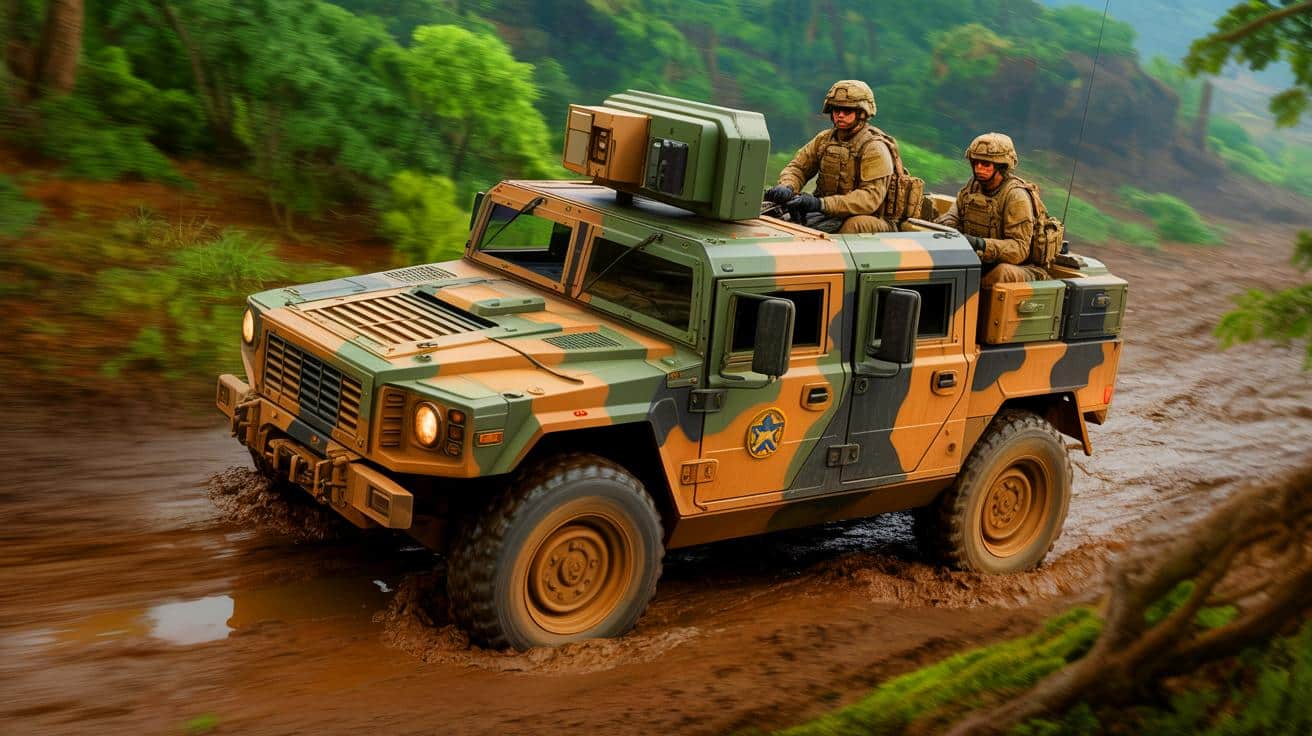
The ISV is a departure from traditional military transport vehicles, prioritizing speed and maneuverability over armor and protection. Weighing just 2.5 tons, the vehicle can carry a nine-man squad, making it ideal for quick deployments in challenging terrains, such as forests or muddy fields. Its design omits essential protective features like armor and mine resistance, focusing instead on fuel efficiency and air transportability. This makes it suitable for rapid deployments via helicopters or cargo planes.
The Pentagon’s decision to favor the ISV reflects a strategic shift towards lighter, more mobile units. By canceling orders for more heavily armored vehicles like the Joint Light Tactical Vehicle (JLTV) and Stryker troop carriers, the Department of Defense signals a preference for speed and stealth over defensive capabilities. Despite its advanced design, critics argue that the ISV lacks the necessary protection to survive in hostile environments, raising concerns about troop safety.
Challenges and Criticisms Facing the ISV
Despite its innovative approach, the ISV has faced significant criticism from military experts. An Army National Guard officer, with over two decades of experience, voiced concerns about the vehicle’s vulnerability to enemy fire. The lack of capacity for basic supplies and its higher cost compared to existing alternatives further complicate its adoption. The officer argued that the ISV’s design is ill-conceived for combat scenarios, where protection and durability are paramount.
Reports from the Department of Testing and Evaluation (DOT&E) highlighted several issues during initial testing phases. High breakdown rates, inadequate communication systems, and insufficient protection were among the primary concerns. Although improvements have been made, questions remain about the ISV’s ability to operate effectively in combat zones. The lack of comprehensive evaluations for certain improvements further fuels skepticism about its readiness for deployment.
Comparisons with Existing Military Vehicles
When compared to vehicles like the Humvee and JLTV, the ISV presents a mixed picture. While its lightweight design enables rapid deployment, the cost per vehicle is significantly higher. Contracts for the M1301 ISV range from $330,000 to $370,000, surpassing the costs of both Humvees and JLTVs. Critics argue that these existing vehicles offer better protection and logistical capabilities at a more affordable price point.
The Humvee, for instance, matches the ISV in terms of transportability and can be outfitted with additional armor. Its ability to carry a stretcher and accommodate essential supplies makes it a more practical choice for many military operations. The ISV’s limitations in these areas raise questions about its long-term viability as a primary transport vehicle for infantry units.
Strategic Implications and Future Considerations
The adoption of the ISV reflects broader strategic considerations within the U.S. military. Proponents argue that the vehicle’s speed and stealth can mitigate the risks posed by modern warfare technologies, such as drones and long-range artillery. By sacrificing armor for agility, the ISV aims to outpace enemy detection and targeting systems.
However, the feasibility of this strategy remains debatable. The officer interviewed expressed doubts about the ISV’s ability to evade modern threats, noting that advancements in sensor technology make it difficult to avoid detection. The vehicle’s lack of defensive capabilities could leave it vulnerable to enemy attacks, particularly in scenarios involving drones or artillery fire.
The U.S. Army’s decision to integrate the Infantry Squad Vehicle into its operations marks a bold shift towards lightweight, mobile units. While the ISV offers certain advantages in terms of speed and transportability, its lack of protection and higher costs raise critical questions about its practicality in combat scenarios. As the military continues to adapt to new threats and technologies, will the ISV prove to be a strategic asset or a costly experiment in the evolution of military transport vehicles?
Continue reading