


“They Took The White Gold”: Russia Seizes Ukraine’s Lithium Giant In Donetsk, Threatening US-EU Plans For Non-Chinese Critical Mineral Supply Chains
 By
Adam Kovács
By
Adam Kovács
| IN A NUTSHELL |
|
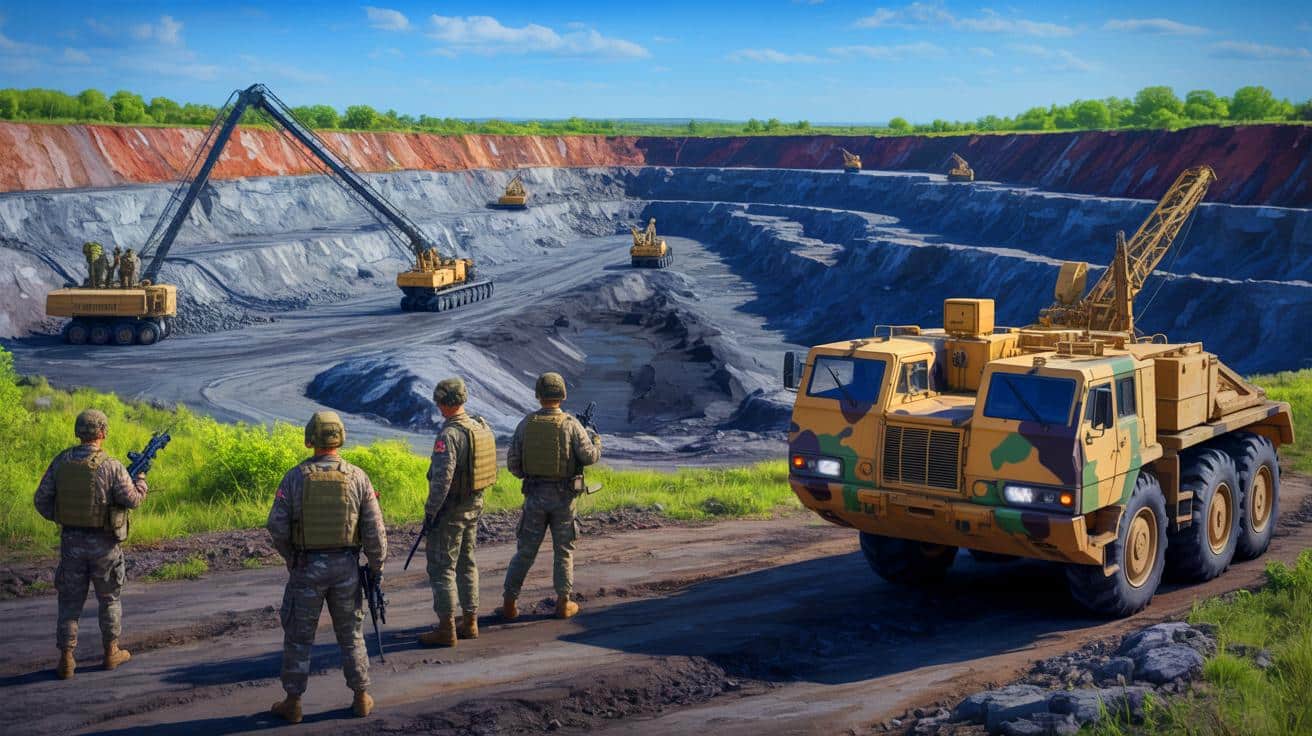
Amid the ongoing conflict in Ukraine, the strategic landscape has shifted with Russia’s recent seizure of a lithium-rich area near the village of Shevchenko in Donetsk. This development, though occurring in a region with little immediate military value, underscores the growing importance of natural resources in geopolitical conflicts. The capture of this site highlights Russia’s broader strategy to dominate key resource corridors, potentially altering the balance of power in global lithium markets. The implications extend beyond the battlefield, affecting international supply chains and raising questions about the future stability and economic recovery of Ukraine.
The Significance of Shevchenko’s Lithium Reserves
About 6 miles from Velyka Novosilka, the Shevchenko lithium deposit represents one of Europe’s largest reserves. Despite the village’s limited tactical importance, the value of its subsurface resources cannot be overstated. Referred to as “white gold,” lithium is vital for manufacturing electric vehicle batteries, aerospace alloys, and energy storage systems. As the world pivots towards decarbonization and technological advancement, the demand for lithium has surged, making control over such reserves a strategic asset.
In 2022, lithium prices skyrocketed to over $80,000 per metric ton. Although prices have since dropped to around $8,500 per ton in China, the mineral remains a critical component of modern industry. The Russian occupation of the Shevchenko site enables Moscow to tighten its grip on Ukraine’s natural resources, aligning with a broader pattern of targeting vital energy and industrial sectors. Such actions could impede Ukraine’s post-war recovery and deter future Western investments.
Before Russia’s invasion, the Shevchenko area had drawn international interest and was earmarked for development by Ukrainian agencies. The plan aimed to reduce reliance on imported raw materials by tapping into domestic resources. Analysts view the Russian seizure as part of a larger campaign to control resource-rich regions, thereby restricting Ukraine’s access to essential revenue streams. As a result, Ukraine confronts new hurdles in rebuilding its industrial base, even as global support for reconstruction grows.
A Challenge for the US and Its Allies
In May, the United States and Ukraine announced a bilateral agreement to create the Investment Fund for Reconstruction and Critical Mineral Partnership. This initiative, equally funded by Washington and Kyiv, aims to channel investments into mining and infrastructure projects in Ukraine. The Shevchenko lithium site was among the potential beneficiaries of this framework.
However, Russia’s control over the area directly threatens these plans. It also undermines confidence in Kyiv’s ability to secure foreign investments in contested regions, especially as military operations persist in eastern Ukraine. This occupation poses a significant challenge to US and European efforts to develop resilient, non-Chinese supply chains for lithium and other critical minerals.
Mineral security has become a strategic priority for NATO and EU countries amid escalating global competition. As such, lithium, cobalt, and rare earth elements are indispensable for energy transition, defense manufacturing, and economic stability. By expanding its presence in Donetsk and acquiring control of a key lithium site, Russia enhances its capacity to influence regional resource flows and broader geopolitical dynamics.
Impact on Global Markets and Geopolitical Dynamics
Russia’s capture of the Shevchenko site highlights the growing role of mineral deposits in global markets and modern warfare, where economic assets are as hotly contested as territories. With control over these critical resources, Russia not only strengthens its regional position but also gains leverage in the international arena.
As countries worldwide seek to secure their own supplies of essential minerals, the geopolitical landscape is increasingly defined by competition over natural resources. In this context, Russia’s actions in Ukraine serve as a stark reminder of the strategic importance of such assets. The situation underscores the need for robust international agreements and partnerships to ensure stable and fair access to vital materials.
As the global focus on sustainability and technological progress intensifies, the ability to control and access essential minerals will be a key factor in shaping future geopolitical alliances and conflicts. This shift towards resource-centric strategies could redefine power dynamics on the world stage, with far-reaching implications for economic and political stability.
Future Prospects for Ukraine and the Global Community
The ongoing conflict in Ukraine, coupled with Russia’s strategic resource acquisitions, presents significant challenges for the country’s future recovery and development. With critical mineral extraction sites under Russian control, Ukraine must navigate complex geopolitical obstacles to rebuild its industrial capacity.
International support for Ukraine remains strong, but the effectiveness of reconstruction efforts will depend on the ability to secure and develop domestic resources. This situation raises important questions about the role of foreign investment and international cooperation in post-conflict recovery. How will Ukraine and its allies overcome these challenges to ensure a stable and prosperous future?
As the world grapples with the implications of resource-driven conflicts, the case of Ukraine serves as a poignant example of the intersection between natural resources and geopolitical strategy. How can the international community work together to promote sustainable development and prevent future conflicts over essential materials?
Continue reading