


Ford-Class Aircraft Carriers: How New Advancements Challenge Naval Strategies and Impact Global Security Dynamics
 By
Adam Kovács
By
Adam Kovács
| IN A NUTSHELL |
|
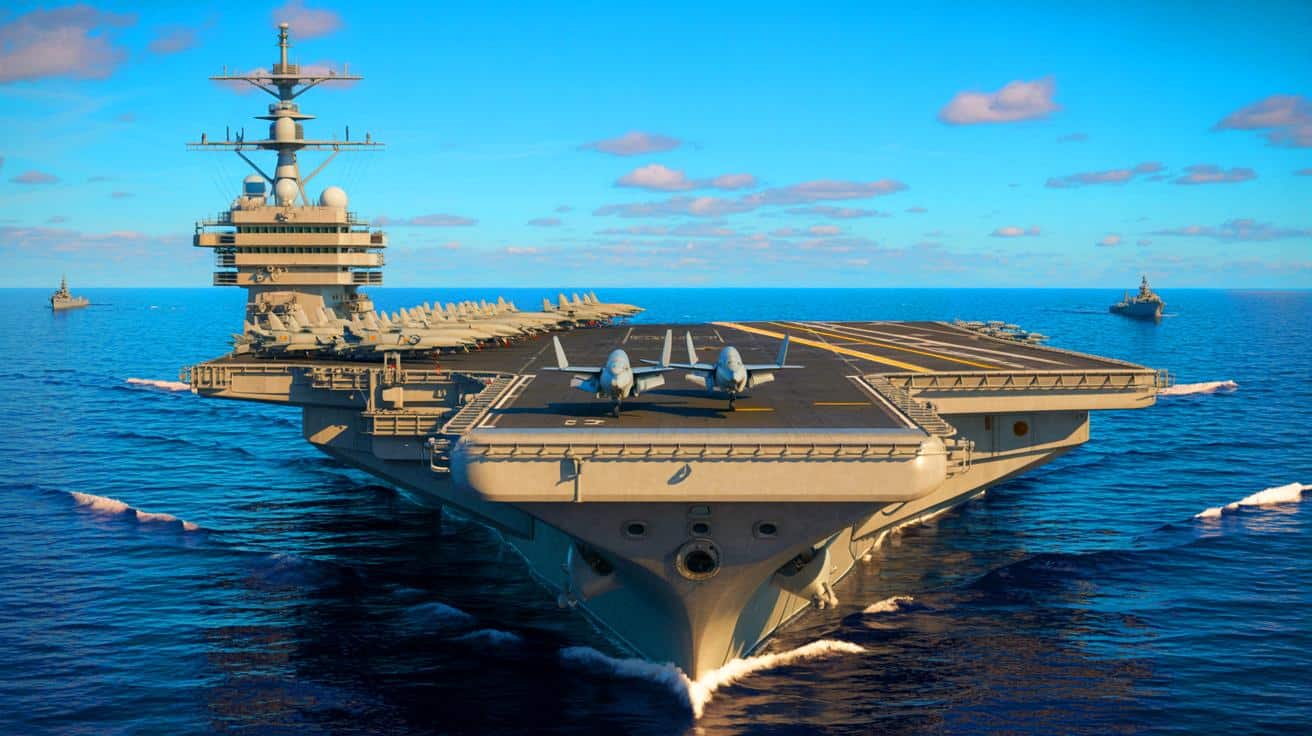
The future of U.S. naval power hangs in the balance as debates rage over the viability of Ford-Class aircraft carriers. At the heart of this discussion are the massive costs, technological challenges, and potential vulnerabilities these vessels present. Critics argue that the $13 billion price tag for each carrier, combined with the threat from China’s advanced missile systems, make them a liability. Yet, supporters claim that these carriers are essential tools of deterrence against global powers like China and Russia. As the U.S. Navy grapples with these issues, the question remains: Can America afford to continue the Ford program, or is it time to rethink naval strategy entirely?
The Debate Over Ford-Class Carriers
The U.S. Navy’s Ford-Class aircraft carriers have sparked significant debate regarding their role in future naval strategy. Proponents see these carriers as vital instruments of American sea power, capable of projecting force and ensuring global maritime security. They argue that carriers serve as floating bases, maintaining sea lines of communication and guaranteeing freedom of trade. However, critics have raised concerns about their exorbitant costs, maintenance challenges, and vulnerability to new threats. The price of building and operating these carriers is substantial, and their long maintenance cycles often leave them docked for extended periods. Moreover, advancements in missile technology, particularly by China, pose a direct threat to their operational viability.
Despite these challenges, abandoning the Ford program could significantly undermine U.S. global reach and deterrence capabilities. China’s growing naval presence and the strategic necessity of deterring both Beijing and Moscow bolster the argument for maintaining a robust carrier fleet. The debate over Ford-Class carriers underscores the broader tension between maintaining traditional military dominance and adapting to new technological and strategic realities.
Venezuela Buildup Sparks Regional Tensions as War Plans for Nigeria and China’s Third Carrier Unfold
Financial Implications and Alternatives
The financial burden of the Ford-Class program is a primary concern for its critics. Each carrier costs approximately $13 billion, and the program has faced delays and technical issues, leading to budget overruns. Critics suggest reallocating these funds to other naval assets, such as submarines and destroyers, which could offer more strategic flexibility. Advanced submarines, like the Virginia-Class, and next-generation guided-missile destroyers could enhance the Navy’s capabilities at a lower cost. Furthermore, investing in the development of the F/A-XX fighter jet could ensure air superiority in future conflicts.
However, the potential cancellation of the Ford program raises questions about the Navy’s ability to maintain its global presence. China is rapidly expanding its carrier fleet, aiming for six by 2030. Without new U.S. carriers, the balance of power in crucial regions like the Indo-Pacific could shift. The strategic clarity provided by carriers allows the U.S. to act as a global policeman, responding to crises and projecting power where needed. The decision to continue or cancel the Ford program will have far-reaching implications for U.S. naval strategy and global security.
Are Carriers Becoming Obsolete?
The question of whether aircraft carriers are becoming obsolete is central to the debate over the Ford program. China’s strategy of anti-access/area denial (A2/AD) poses a significant challenge to U.S. carriers. Advanced anti-ship missiles and drones threaten the carriers’ ability to operate within contested regions. The strategic environment has changed since the days when carriers could assert dominance unchallenged. China can now create defensive bubbles around key areas, such as Taiwan, complicating U.S. intervention.
Moreover, Chinese military advancements, including “Assassin’s Mace” weapons, emphasize asymmetric warfare against U.S. carriers. These include ballistic missiles, unmanned systems, and cyber capabilities designed to exploit vulnerabilities. The evolving nature of warfare raises questions about the continued relevance of carriers in modern conflicts. Despite these concerns, carriers remain unmatched in their ability to project force, and their adaptability to new threats is crucial for future operations.
The Strategic Importance of Carriers
Despite their vulnerabilities, aircraft carriers remain essential to U.S. military strategy. They offer unparalleled flexibility and adaptability in responding to emerging threats. The Aegis Weapon System provides a robust defensive capability, creating a protective bubble around carrier strike groups. This system has proven effective in countering missile and drone threats, as demonstrated in conflicts involving Iranian-backed forces. The presence of carriers in strategic regions can deter adversaries like Russia from engaging in hybrid warfare against NATO allies.
The U.S. Navy’s ability to project power and maintain global security depends on its carrier fleet. As China and Russia continue to expand their military capabilities, the strategic importance of carriers becomes increasingly evident. Maintaining a forward presence in critical regions, such as the Indo-Pacific and Europe, is vital for deterring aggression and ensuring stability. The Ford program’s continuation is crucial for preserving U.S. naval dominance and promoting national interests abroad.
The decision to continue or cancel the Ford-Class aircraft carrier program will shape the future of U.S. naval strategy. The high costs and vulnerabilities of these carriers are undeniable, yet their strategic importance cannot be overstated. As global threats evolve and new challenges emerge, the U.S. Navy must adapt to maintain its edge. How will the Navy balance the need for modernization with the realities of budget constraints and shifting geopolitical dynamics? This question will be at the forefront of discussions as the future of American sea power unfolds.
Continue reading