



“Israel Warns Iran Defied Limits”: Strikes On Natanz And Fordo Ignite Fears As Enriched Uranium Hits 60% Toward Weapons-Grade Threshold
 By
Adam Kovács
By
Adam Kovács
| IN A NUTSHELL |
|
The intricate process of uranium enrichment is at the heart of global tensions surrounding Iran’s nuclear program. While this technology is essential for generating electricity, it poses significant risks if used to create nuclear weapons. Recently, Israel targeted several key Iranian nuclear sites, including Natanz, Isfahan, and Fordo, in an operation that reportedly resulted in the deaths of multiple Iranian nuclear scientists. These sites are known for their fortified underground structures, and while the extent of the damage remains unclear, the implications for Iran’s nuclear capabilities are profound. To fully grasp the gravity of uranium enrichment, it is crucial to first understand the role of isotopes and nuclear fission.
Understanding Uranium Isotopes
At the atomic level, all matter consists of atoms made up of protons, neutrons, and electrons. The number of protons in an atom determines its chemical properties and defines its element. Uranium, for example, has 92 protons. However, the number of neutrons can vary within the same element, leading to different isotopes. In the case of uranium, the two most significant isotopes are uranium-238 and uranium-235.
While these isotopes have little impact on chemical reactions, they play a crucial role in nuclear reactions. Uranium-235, with 92 protons and 143 neutrons, is the isotope capable of sustaining a nuclear fission chain reaction. This ability to unleash substantial energy makes uranium-235 indispensable for both nuclear reactors and nuclear weapons.
The distinction between uranium-238 and uranium-235 is pivotal. When mined, uranium comprises 99.27% uranium-238 and just 0.72% uranium-235. This natural composition is inadequate for both power plants and weaponization, necessitating enrichment to alter these proportions for specific uses.
The Process of Uranium Enrichment
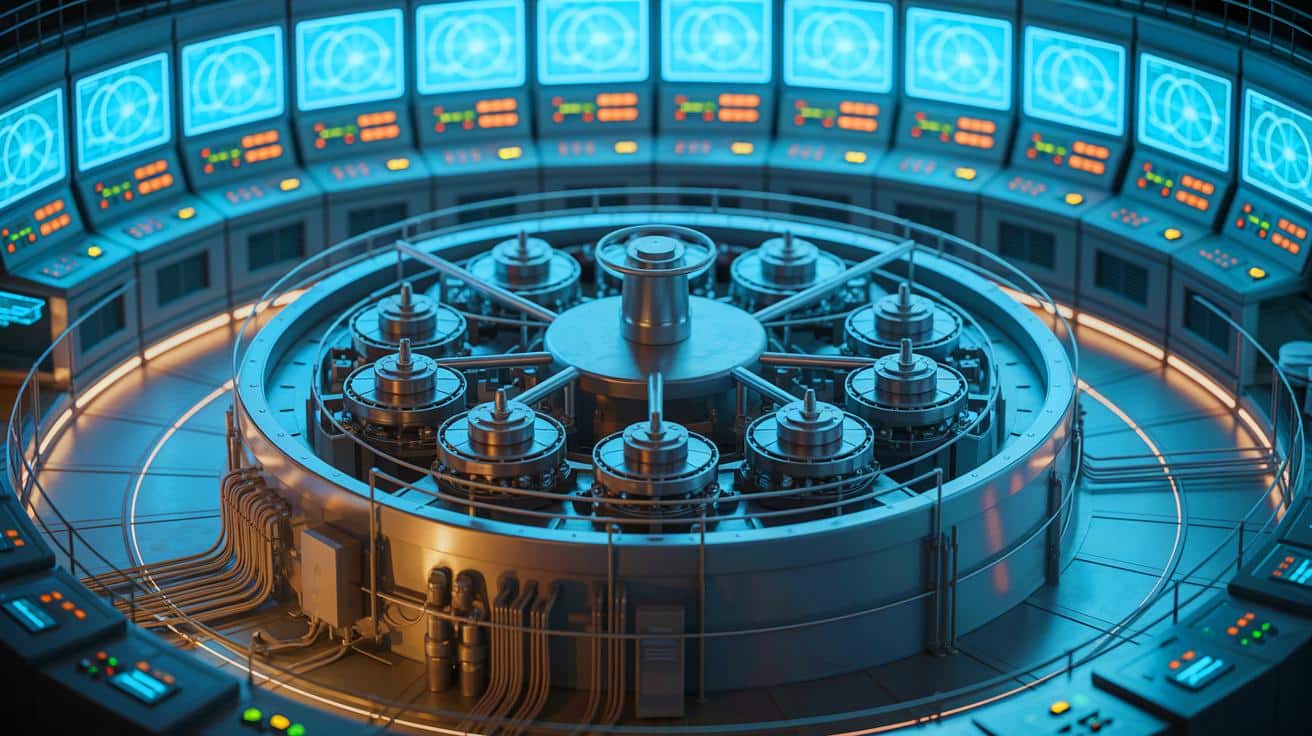
Uranium enrichment is the process of increasing the concentration of uranium-235 by separating it from uranium-238. Various techniques exist for enrichment, but centrifugation is the most commonly employed method, particularly in Iran. In this method, the weight difference between uranium-238 and uranium-235 is exploited. Centrifuges spin uranium in gaseous form at high speeds, akin to a salad spinner, where the heavier uranium-238 is thrown outward, and the lighter uranium-235 remains towards the center.
This process is inherently inefficient, requiring repeated cycles to achieve the desired level of enrichment. For civilian nuclear reactors, uranium is typically enriched to 3% to 5% uranium-235, sufficient to sustain a controlled chain reaction for electricity generation. In contrast, weapons-grade enrichment involves significantly higher concentrations of uranium-235.
Enrichment Levels for Nuclear Weapons
For an explosive nuclear reaction, much higher concentrations of uranium-235 are necessary compared to civilian reactors. Technically, a nuclear weapon can be made with uranium enriched to 20%, but the efficacy increases with higher enrichment levels. Most nuclear-armed states use uranium enriched to about 90%, known as "weapons-grade" uranium.
The situation in Iran has raised international concerns. According to the International Atomic Energy Agency (IAEA), Iran has enriched substantial quantities of uranium to 60%. Transitioning from 60% to 90% is technically simpler than the initial enrichment from 0.7% to 60%, as less uranium-238 needs to be removed. This capability heightens fears that Iran may possess the means to produce nuclear weapons swiftly.
The dual-use nature of centrifuge technology complicates matters, as the same equipment can produce fuel for civilian reactors and weapons-grade uranium. The IAEA monitors nuclear facilities worldwide to ensure compliance with the global non-proliferation treaty, though recent assessments suggest Iran may have breached its commitments.
The Global Implications of Uranium Enrichment
The ability to enrich uranium is a double-edged sword, offering both civilian energy solutions and potential military threats. Nuclear power plants contribute significantly to global electricity generation and have vital medical applications through the production of isotopes for diagnostics and treatments.
However, the risk of nuclear proliferation remains a pressing concern. The enrichment process is closely guarded to prevent misuse, and international oversight is crucial in maintaining global security. The recent developments in Iran underscore the delicate balance between peaceful nuclear use and the threat of weaponization.
As tensions persist, the international community faces the challenge of ensuring that nuclear technology serves humanity's best interests without compromising global safety. How can nations effectively monitor and manage nuclear capabilities to prevent the spread of weapons while promoting beneficial uses?
Continue reading